After the recent announcement of an amnesty scheme for disputed tax cases in Maharashtra, the state government is anticipating the recovery of a substantial amount of outstanding tax revenue. With an estimated range of ₹2,500 crore to ₹3,000 crore expected to be collected through this initiative, the bill related to the scheme has successfully passed through both houses of the state legislature.
The total pending amount to be recovered from disputed tax cases over the years stands at a staggering ₹94,527 crore, while the outstanding amount from non-disputed cases amounts to ₹48,534 crore. The government is keen on ensuring the full recovery of undisputed tax revenue, but a different approach is required for disputed cases. The amnesty scheme offers a resolution by allowing payment of 30% to 50% of the outstanding amount, providing a pathway to settle long-standing disputes.
Officials have highlighted the complexities surrounding non-disputed tax recovery, citing various reasons for the delay. According to a representative from the state finance department, these cases involve companies that have recovered the tax but failed to remit it to the government due to factors such as closure or relocation. Notably, the amnesty scheme does not extend to non-disputed tax cases, underscoring the need for alternative mechanisms to address these outstanding payments.
A significant portion of the unrealized tax revenue can be traced back to disputes with public sector undertakings (PSUs) of both central and state governments, particularly in sectors such as oil and defense manufacturing. Noteworthy figures include ₹66,411 crore from oil companies in sales tax/VAT and ₹21,519 crore from central sales tax. The disputes often arise from differing interpretations of tax regulations, with some companies contesting the levied taxes on various grounds. Many of these cases date back to the period preceding the implementation of the Goods and Services Tax (GST) in 2017, adding to the complexity of the situation.
In a proactive move, the state government has identified disputed cases amounting to ₹25,000 crore that could potentially be resolved through the amnesty scheme. By offering to waive penalties and interest, the initiative proposes to settle 50% of the outstanding amount for cases falling between April 2005 and June 2017, with the remainder being written off. For cases predating March 2005, PSUs are required to pay 30% of the actual tax under the scheme. This strategic approach is anticipated to facilitate the recovery of approximately ₹3,000 crore in outstanding taxes, providing a much-needed boost to the state’s revenue.
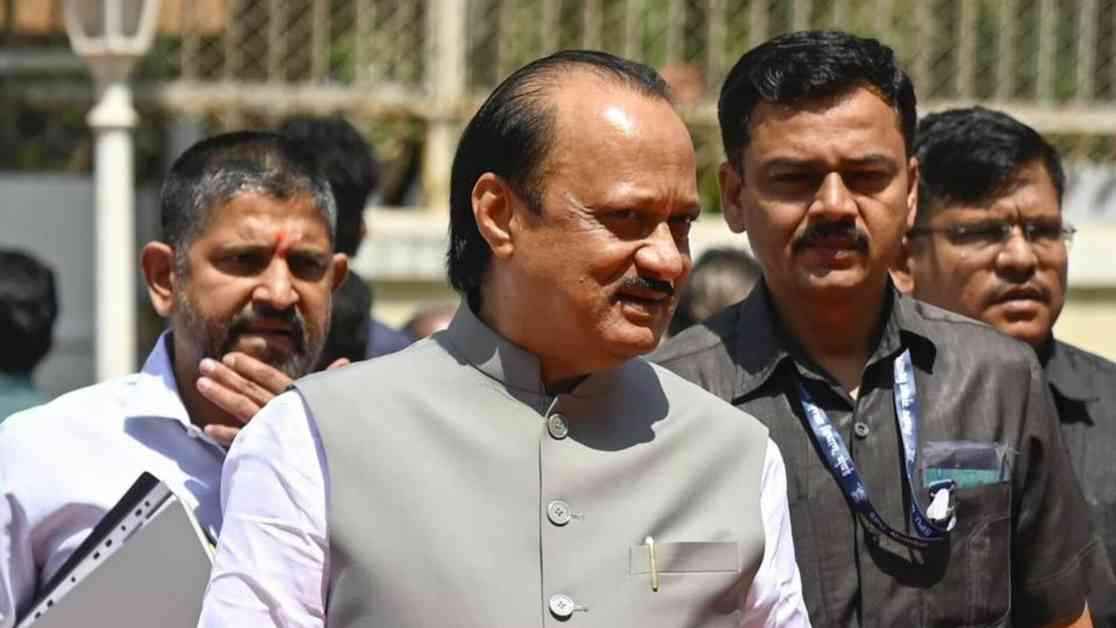
Speaking in the state assembly, Finance Minister Ajit Pawar emphasized the targeted nature of the amnesty scheme, specifically tailored for state and central government PSUs. The scheme is set to remain active until December 31, 2025, allowing sufficient time for eligible entities to take advantage of the provisions. Following the successful passage of the bill in both legislative houses, the operationalization of the amnesty scheme is imminent pending the issuance of a formal notification.
The bill underscores the necessity of addressing the substantial amounts of tax recovery mired in litigation under various tax laws, particularly affecting public sector undertaking companies. By amending existing laws, the government aims to unlock these funds, reduce longstanding litigations, and streamline the resolution process. The upcoming implementation of the amnesty scheme signifies a pivotal step towards resolving complex tax disputes and bolstering the state’s financial outlook.
In conclusion, the anticipated recovery of ₹3,000 crore in tax revenue through the amnesty scheme marks a significant milestone for Maharashtra, signaling a concerted effort to address long-standing tax disputes and enhance fiscal stability. As the state government moves forward with the operationalization of the scheme, stakeholders are poised to benefit from a structured framework that aims to unlock blocked funds, reduce litigation burdens, and pave the way for a more streamlined tax regime.