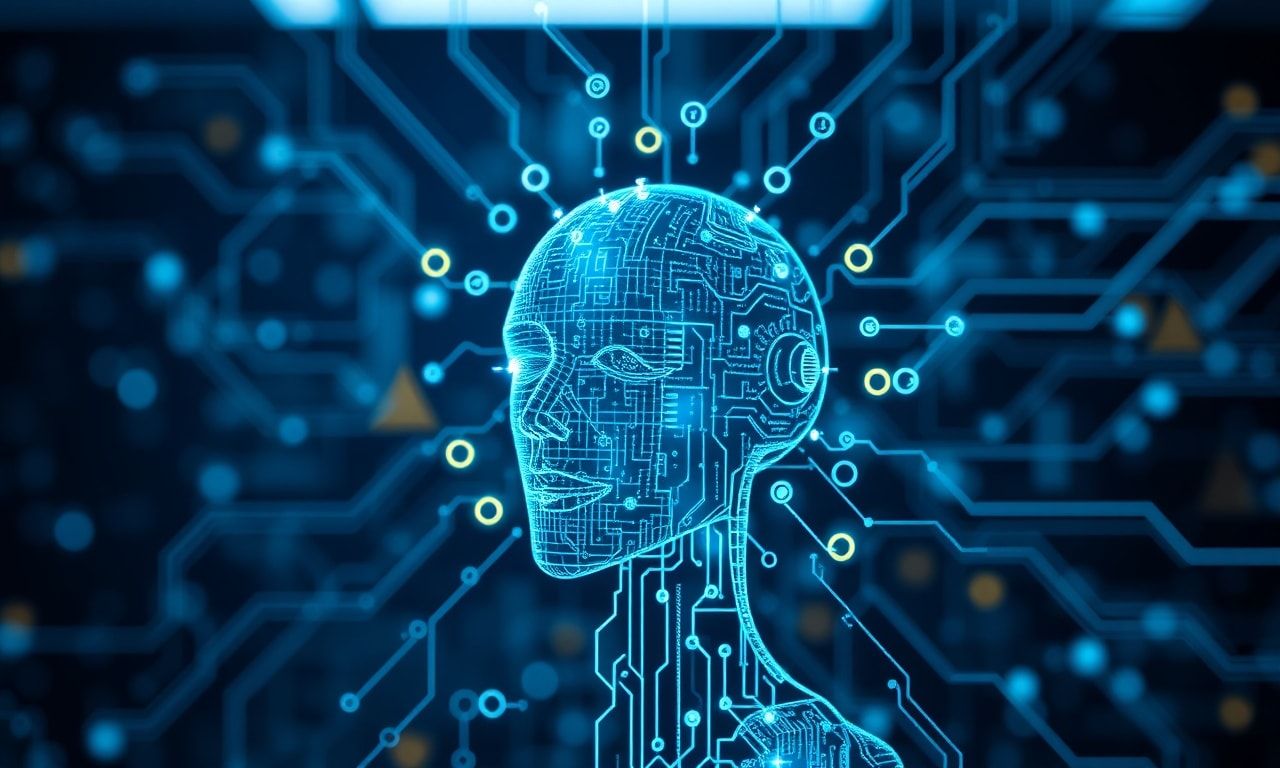
The Evolution of Cyber Threats
The digital landscape is constantly evolving, and with it, the nature of cyber threats. As technology advances, so do the tactics employed by cybercriminals. Traditional methods of defense are no longer sufficient to combat the sophisticated attacks that organizations face today. The rise of artificial intelligence (AI) has brought about a paradigm shift in how we approach cybersecurity, offering new ways to detect, prevent, and mitigate cyber threats.
The Role of AI in Cybersecurity
AI has emerged as a powerful tool in the fight against cybercrime. By leveraging machine learning algorithms, AI systems can analyze vast amounts of data to identify patterns and anomalies that may indicate a potential threat. This capability allows for real-time threat detection and response, significantly reducing the time it takes to identify and neutralize cyber attacks.
AI-powered cybersecurity solutions can also adapt and learn from new threats, continuously improving their ability to detect and prevent attacks. This adaptive nature makes AI an invaluable asset in the ever-changing landscape of cybersecurity. Additionally, AI can automate routine security tasks, freeing up human analysts to focus on more complex issues.
Machine Learning and Anomaly Detection
One of the key applications of AI in cybersecurity is machine learning-based anomaly detection. Machine learning algorithms can be trained to recognize normal behavior patterns within a network. When an anomaly is detected, the system can alert security personnel, who can then investigate and take appropriate action. This proactive approach helps to prevent attacks before they can cause significant damage.
Predictive Analytics
AI can also be used for predictive analytics, which involves analyzing historical data to predict future trends. In the context of cybersecurity, predictive analytics can help identify potential vulnerabilities and predict the likelihood of an attack. This information can be used to prioritize security measures and allocate resources more effectively.
The Impact of AI on Cybersecurity Jobs
The integration of AI into cybersecurity has had a profound impact on the job market. While some fear that AI will replace human analysts, the reality is more nuanced. AI is more likely to augment human capabilities rather than replace them entirely. Cybersecurity professionals who can work effectively with AI tools will be in high demand, as will those who specialize in developing and improving AI algorithms for cybersecurity applications.
Moreover, the rise of AI in cybersecurity has created new job roles, such as AI security specialists and data scientists. These roles require a unique blend of skills, including knowledge of AI algorithms, data analysis, and cybersecurity principles. As the field continues to evolve, the demand for these specialized skills will only grow.
Challenges and Ethical Considerations
While AI offers numerous benefits for cybersecurity, it also presents certain challenges and ethical considerations. One of the main concerns is the potential for AI systems to be hacked or manipulated. If an attacker gains control of an AI system, they could potentially use it to launch sophisticated attacks or bypass security measures.
Another ethical consideration is the use of AI for surveillance and privacy invasion. As AI systems become more sophisticated, there is a risk that they could be used to monitor individuals without their consent. This raises important questions about the balance between security and privacy, and the need for robust ethical guidelines in the development and deployment of AI technologies.
For more insights into the latest technological advancements and their implications, you can visit Glasgow university news today, which often covers groundbreaking research and innovations in the field of technology.
The Future of AI in Cybersecurity
The future of AI in cybersecurity is bright, with ongoing research and development promising even more advanced capabilities. One area of particular interest is the use of deep learning, a subset of machine learning, to improve threat detection and response. Deep learning algorithms can analyze complex data sets and identify patterns that are not easily detectable by traditional methods.
Another promising area is the use of AI for automated threat response. AI systems can be programmed to take immediate action when a threat is detected, such as isolating affected systems or deploying countermeasures. This capability can significantly reduce the impact of cyber attacks and minimize downtime.
As AI continues to evolve, it will play an increasingly important role in shaping the future of cybersecurity. Organizations that invest in AI-powered security solutions will be better equipped to protect themselves against the ever-changing threat landscape and ensure the safety of their digital assets.
In our fast-paced tech-driven world, finding balance is crucial; discover how to integrate mindfulness into your routine with our latest guide on mindful living techniques.
Discover how tech innovations are driving local climate change solutions in our latest feature, highlighting the intersection of sustainability and cutting-edge technology.
To gain a deeper understanding of the advancements shaping our digital world, delve into AI’s transformative journey and its impact on tech innovations and cybersecurity.