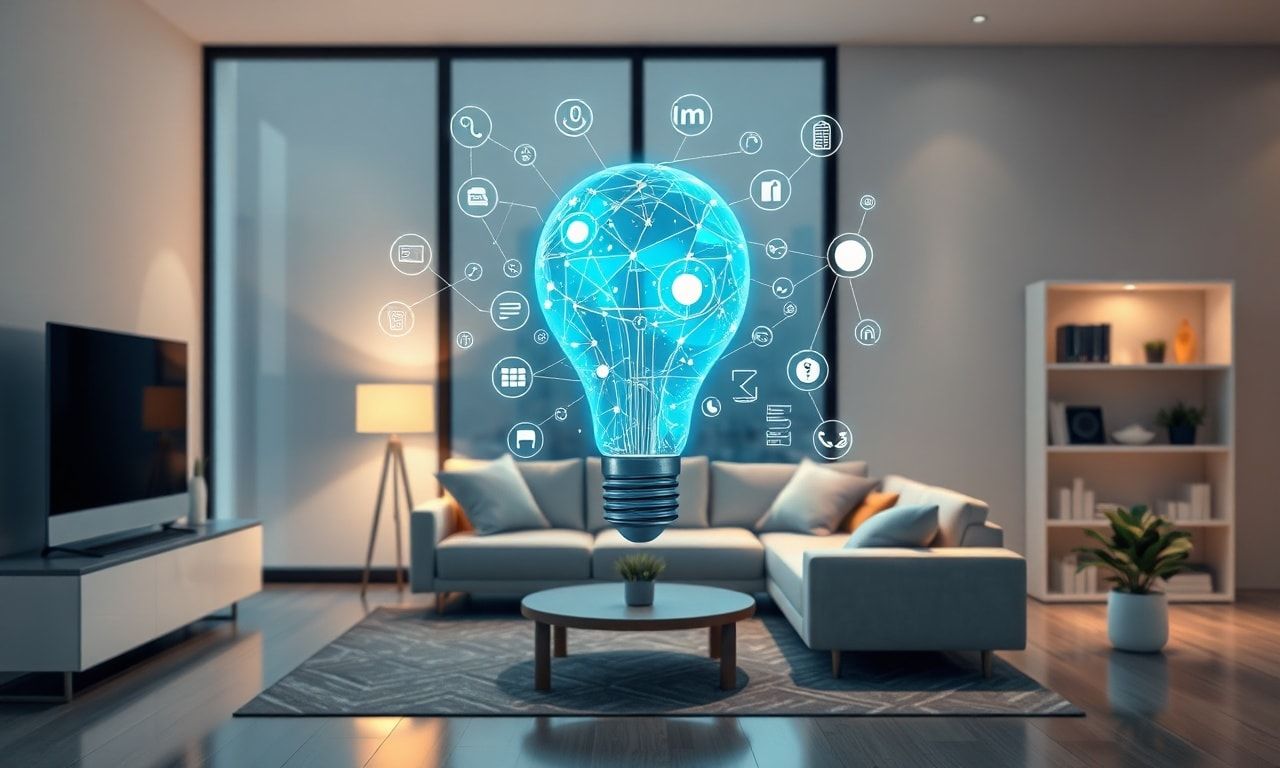
Introduction to Smart Home Technology
Smart home technology has evolved significantly over the past decade, transforming the way we interact with our living spaces. From automated lighting and thermostats to advanced security systems, the integration of artificial intelligence (AI) and the Internet of Things (IoT) has revolutionized home automation. This article explores the latest innovations in smart home technology, focusing on how AI and IoT are shaping the future of our living environments.
The Role of AI in Smart Homes
AI plays a pivotal role in modern smart home systems, enabling them to learn and adapt to the preferences and routines of their users. Machine learning algorithms analyze data from various sensors and devices to provide personalized experiences. For instance, AI-powered virtual assistants like Amazon Alexa and Google Assistant can control smart devices, answer queries, and even anticipate user needs. These systems continuously improve over time, making them more efficient and intuitive.
One of the most significant advantages of AI in smart homes is its ability to enhance security. AI-powered surveillance cameras can detect unusual activities and alert homeowners in real-time. Additionally, AI algorithms can analyze patterns to identify potential security threats, such as unauthorized access attempts. This proactive approach to security ensures that homes are protected around the clock.
AI-Powered Energy Management
AI is also instrumental in optimizing energy consumption in smart homes. By analyzing usage patterns, AI systems can adjust heating, cooling, and lighting to minimize energy waste. For example, smart thermostats like Nest Learning Thermostat use AI to learn user preferences and automatically adjust temperatures to save energy. This not only reduces utility bills but also contributes to a more sustainable lifestyle.
The Internet of Things (IoT) and Smart Home Integration
The IoT is the backbone of smart home technology, connecting various devices and enabling them to communicate with each other. IoT devices range from smart appliances and lighting systems to security cameras and door locks. The seamless integration of these devices creates a cohesive ecosystem that enhances convenience and efficiency. For example, a smart fridge can alert you when you’re running low on groceries, while a smart washing machine can schedule its cycles based on your daily routine.
One of the key benefits of IoT in smart homes is the ability to control devices remotely. With the help of a smartphone app, homeowners can monitor and control their smart home systems from anywhere in the world. This remote access ensures that you never have to worry about leaving the lights on or forgetting to lock the door.
The Future of IoT in Smart Homes
The future of IoT in smart homes looks promising, with advancements in connectivity and device interoperability. The development of 5G networks will enable faster and more reliable communication between IoT devices, enhancing the overall performance of smart home systems. Additionally, the integration of edge computing will allow for real-time data processing, reducing latency and improving response times.
Cybersecurity in Smart Homes
As smart home technology becomes more prevalent, the need for robust cybersecurity measures becomes increasingly important. With so many devices connected to the internet, the risk of cyber attacks and data breaches is a significant concern. To mitigate these risks, manufacturers are implementing advanced encryption and authentication protocols to protect user data and prevent unauthorized access.
Regular software updates are crucial for maintaining the security of smart home devices. These updates often include patches for vulnerabilities that could be exploited by hackers. Homeowners should also take proactive measures, such as using strong, unique passwords and enabling two-factor authentication, to enhance the security of their smart home systems.
Best Practices for Smart Home Security
To ensure the security of your smart home, it is essential to follow best practices. This includes regularly updating your devices, using strong passwords, and monitoring your network for any suspicious activity. Additionally, consider investing in a dedicated cybersecurity solution designed for smart homes. These solutions can provide an extra layer of protection against potential threats.
Conclusion
The future of smart home technology is bright, with AI and IoT driving innovation and enhancing user experiences. From improved security and energy management to seamless device integration, smart homes are becoming more intelligent and efficient. As technology continues to evolve, we can expect even more advanced features and capabilities, making our lives more convenient and secure. For those looking to enhance their smart home setup, exploring the latest gadgets and innovations is a great way to stay ahead of the curve. If you’re interested in adding a unique touch to your smart home, consider exploring options like buhurdan satın almak için en iyi siteler 2026 for high-quality, innovative products.
For more insights on this topic, you might find The Future of Automotive Technology: Honda particularly informative.