The Dawn of a New Era
The landscape of technology has been dramatically reshaped by the advent of Artificial Intelligence (AI). What was once a concept confined to the pages of science fiction novels and the silver screen has now become an integral part of our daily lives. From virtual assistants like Siri and Alexa to sophisticated algorithms that predict our shopping habits, AI has seamlessly integrated itself into the fabric of modern society.
The Underlying Technology
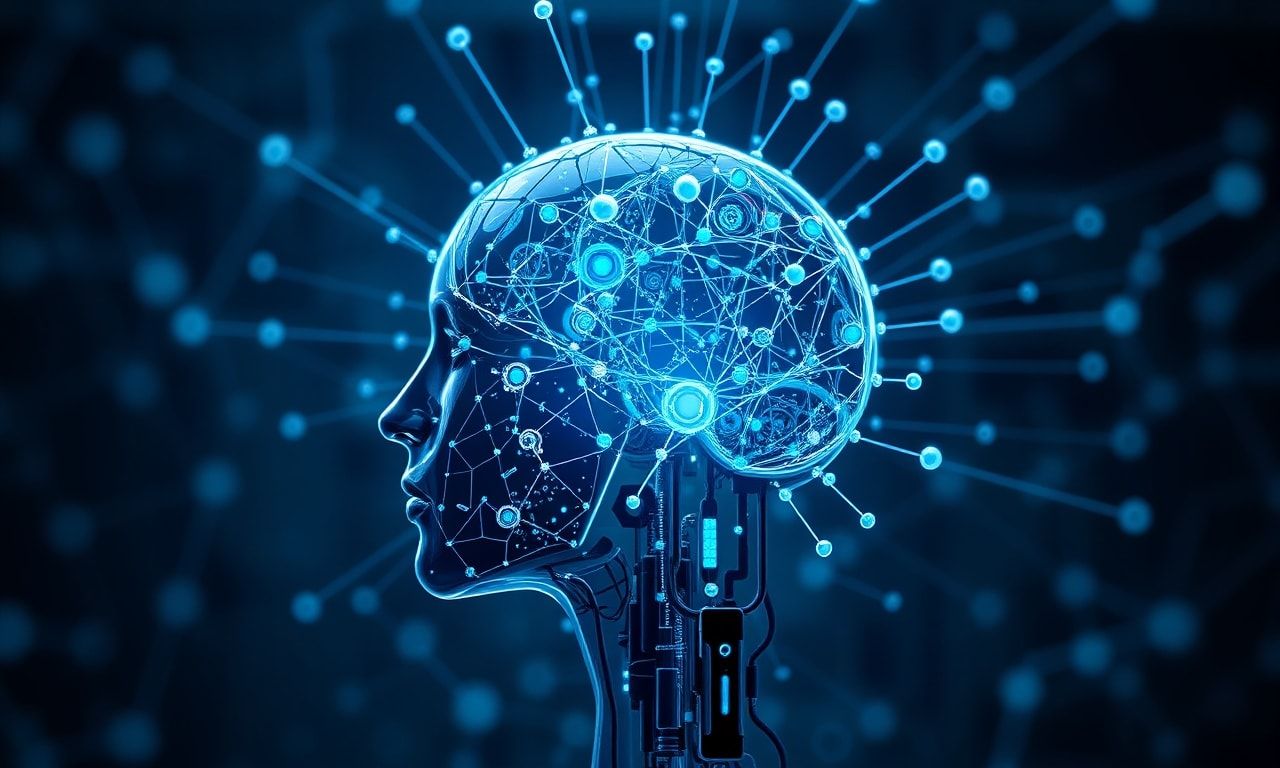
At the heart of AI lies machine learning, a subset of AI that enables systems to learn and improve from experience without being explicitly programmed. This is achieved through the use of neural networks, which are modeled after the human brain. These networks consist of layers of interconnected nodes, or ‘neurons,’ that process information and make decisions based on the data they receive.
Deep learning, a more advanced form of machine learning, involves the use of even more complex neural networks. These networks are capable of processing vast amounts of data and identifying patterns that would be invisible to the human eye. This has led to significant advancements in areas such as image recognition, natural language processing, and predictive analytics.
The Role of Big Data
Big data plays a crucial role in the development and application of AI. The sheer volume of data generated every day provides a rich source of information for AI systems to learn from. However, the sheer scale of this data also presents significant challenges in terms of storage, processing, and analysis. This is where technologies like Hadoop and Spark come into play, enabling the efficient handling of large datasets.
AI in Everyday Life
AI is no longer confined to the realm of research labs and tech giants. It has found its way into our homes, our workplaces, and even our pockets. Virtual assistants like Siri and Alexa use natural language processing to understand and respond to our commands. Meanwhile, recommendation systems powered by AI algorithms suggest what we should watch next on Netflix or what we might like to buy on Amazon.
In the healthcare sector, AI is being used to analyze medical images, predict disease outbreaks, and even assist in the development of new drugs. In finance, AI algorithms are used for fraud detection, risk assessment, and even automated trading. The applications of AI are vast and continue to grow at an exponential rate.
The Impact on Employment
The rise of AI has sparked debates about its impact on employment. While some fear that AI will lead to job losses, others argue that it will create new job opportunities. According to a report by the World Economic Forum, while AI may displace 85 million jobs by 2025, it could also create 97 million new jobs. The key will be in reskilling and upskilling the workforce to adapt to the changing job market.
The Future of AI
The future of AI is bright and filled with possibilities. Advancements in quantum computing could lead to even more powerful AI systems. Meanwhile, the development of ethical guidelines and regulations will be crucial in ensuring that AI is used responsibly and for the benefit of all.
As we move forward, it is important to stay informed about the latest developments in AI. Keeping up with political news analysis today can provide valuable insights into how AI is shaping our world and the policies being put in place to govern its use.
Cybersecurity and AI
One area where AI is making significant strides is cybersecurity. AI-powered systems can detect and respond to cyber threats in real-time, providing a robust defense against increasingly sophisticated cyber attacks. However, this also raises concerns about the potential misuse of AI for malicious purposes. It is therefore crucial to invest in AI-driven cybersecurity solutions and to promote international cooperation in this area.
Conclusion
The evolution of AI from a sci-fi concept to an everyday reality is a testament to the power of human ingenuity. As we continue to explore the possibilities of AI, it is important to do so responsibly and ethically. By staying informed and engaged, we can ensure that AI is used to create a better, more equitable world for all.