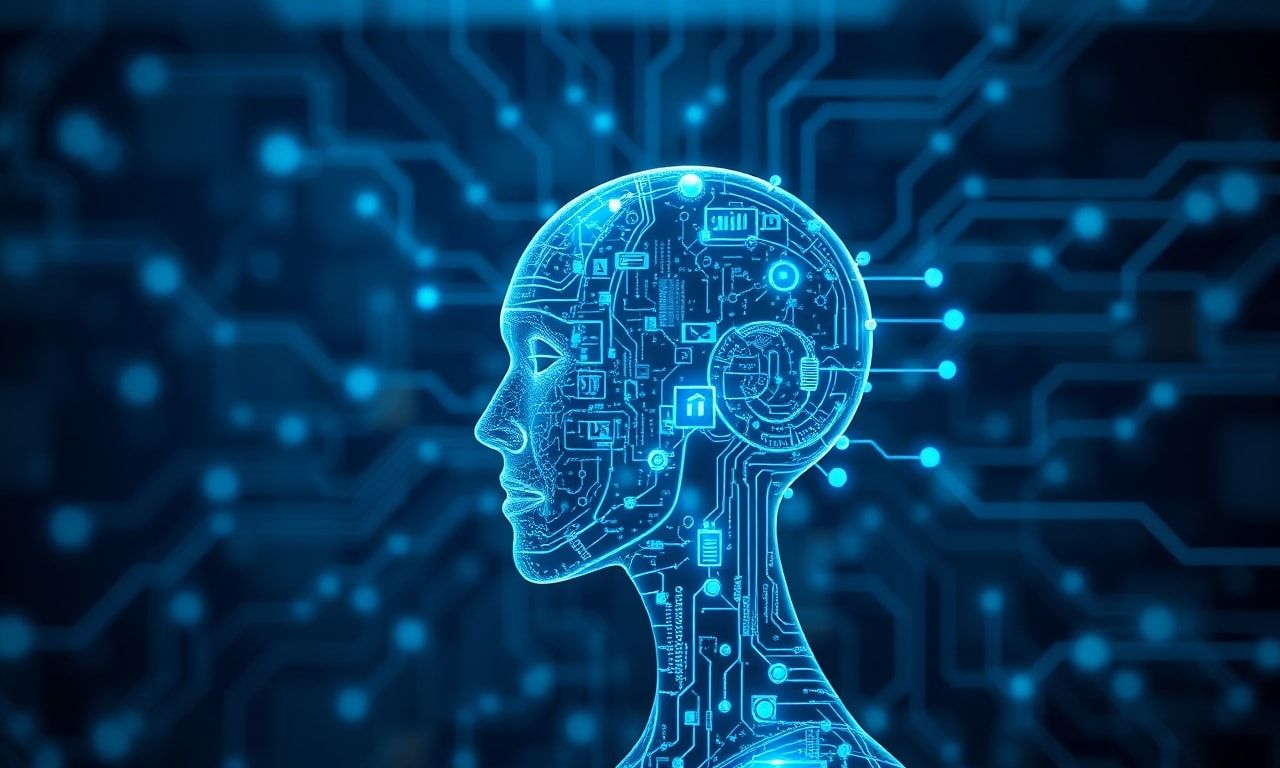
The Rise of Artificial Intelligence in Cybersecurity
The digital landscape is evolving at an unprecedented pace, and with it, the threats to our cybersecurity. As businesses and individuals alike become more reliant on technology, the need for robust security measures has never been greater. Enter artificial intelligence (AI), a revolutionary force that is transforming the way we protect our digital assets. AI’s ability to learn, adapt, and predict is proving invaluable in the fight against cybercrime.
AI in cybersecurity is not just a buzzword; it’s a critical component in the arsenal of modern security strategies. From detecting anomalies in network traffic to identifying potential vulnerabilities, AI is enhancing our ability to preempt and mitigate cyber threats. This article explores the current state of AI in cybersecurity, its benefits, challenges, and future prospects.
The Role of AI in Modern Cybersecurity
AI’s role in cybersecurity is multifaceted. Machine learning algorithms can analyze vast amounts of data to identify patterns and anomalies that may indicate a cyber threat. These algorithms can learn from past incidents to predict and prevent future attacks. Additionally, AI can automate routine security tasks, freeing up human analysts to focus on more complex issues.
One of the most significant advantages of AI in cybersecurity is its ability to provide real-time threat detection and response. Traditional security systems often rely on predefined rules and signatures to identify threats, which can be outdated or ineffective against new and evolving threats. AI, on the other hand, can continuously learn and adapt, providing a more dynamic and effective defense.
Benefits of AI in Cybersecurity
The benefits of integrating AI into cybersecurity strategies are manifold. Firstly, AI can significantly enhance the speed and accuracy of threat detection. By analyzing data in real-time, AI can identify and respond to threats much faster than human analysts. This rapid response can mean the difference between a minor security incident and a major data breach.
Secondly, AI can improve the efficiency of cybersecurity operations. By automating routine tasks such as log analysis and vulnerability scanning, AI can reduce the workload on human analysts, allowing them to focus on more strategic and complex issues. This not only improves the overall effectiveness of cybersecurity operations but also helps to address the global shortage of skilled cybersecurity professionals.
Thirdly, AI can enhance the predictive capabilities of cybersecurity systems. By analyzing historical data and identifying patterns, AI can predict potential future threats and vulnerabilities. This proactive approach to cybersecurity can help organizations to stay one step ahead of cybercriminals.
Challenges and Limitations
Despite the numerous benefits of AI in cybersecurity, there are also several challenges and limitations to consider. One of the main challenges is the potential for false positives. AI systems may sometimes misidentify benign activities as threats, leading to unnecessary alerts and investigations. This can not only waste valuable resources but also desensitize security teams to genuine threats.
Another challenge is the need for high-quality data. AI systems rely on data to learn and make predictions. If the data is incomplete, inaccurate, or biased, the AI system’s performance can be compromised. This highlights the importance of data quality and the need for robust data management practices.
Furthermore, the use of AI in cybersecurity raises ethical and legal questions. For instance, the use of AI for surveillance and monitoring can raise privacy concerns. Additionally, the use of AI in cyber warfare can have serious implications for international relations and global security.
The Future of AI in Cybersecurity
The future of AI in cybersecurity looks promising. As AI technologies continue to evolve, we can expect to see even more sophisticated and effective cybersecurity solutions. For example, the integration of AI with other emerging technologies such as blockchain and the Internet of Things (IoT) can provide enhanced security for digital transactions and connected devices.
Moreover, the use of AI in cybersecurity is not limited to the private sector. Governments and public services are also recognizing the potential of AI in enhancing their cybersecurity capabilities. For instance, the Dundee public service awards news update highlights the role of AI in improving public service delivery and security. As AI continues to evolve, we can expect to see more innovative and effective applications in the field of cybersecurity.
In conclusion, AI is playing an increasingly important role in cybersecurity. Its ability to learn, adapt, and predict is enhancing our ability to detect and respond to cyber threats. However, the use of AI in cybersecurity also presents several challenges and limitations that need to be addressed. As AI technologies continue to evolve, we can expect to see even more sophisticated and effective cybersecurity solutions, paving the way for a safer and more secure digital future.