
How Mumbai Residents Can Plan Public Transport Trips to Hospitals
Plan a hospital journey in Mumbai by checking the right entrance, comparing trains, buses and Metro connections, and allowing time for transfers and the final w

To reach a government hospital in Mumbai by public transport, confirm the exact hospital entrance or department first, then compare local train, BEST bus and Metro routes from your neighbourhood. Check transfer points and service updates before leaving, and allow extra time for the walk or short ride from your final station or stop.
A hospital’s name alone may not identify the best destination: a large campus can have separate gates, departments and drop-off points. Ask the person you are visiting which entrance is appropriate, and use that specific point when checking directions.
The most practical route is not always the one with the fewest changes. Crowds, stairs, long station exits and the final stretch on foot can matter more when travelling with a patient, medical documents or limited mobility.
- Confirm the correct hospital gate or department before choosing a route.
- Compare local trains, BEST buses and Metro services from your neighbourhood.
- Check transfer walks, station exits and the final approach to the entrance.
- Allow extra time and keep a practical backup for delays or difficult walking.
Start with the hospital entrance, not just its name
Confirm the exact destination
Before choosing a route, confirm the hospital’s full name and the entrance or department you need. Large public hospitals can have multiple gates, and a map pin for the main campus may leave you far from the relevant building. If you are visiting a patient, check which gate visitors should use.
Ask the hospital contact or the person you are visiting for a landmark, gate name or department building, rather than relying only on a broad address. For example, an outpatient appointment and an inpatient visit may involve different destinations within the same campus. Save the confirmed point so you can compare routes to it.
Use a map to check whether the destination pin is on a public road or inside the hospital grounds. A route that ends at the campus boundary may still require a substantial walk, and entrances can be separated by busy roads. If directions seem unclear, confirm them before boarding rather than guessing after you arrive.
Check access needs early
Consider who is travelling and what they can comfortably manage before settling on a route. A journey with fewer transfers may still involve stairs, a long platform walk or a crowded interchange. If the patient uses a wheelchair or struggles to walk, ask the hospital about the most suitable gate and available assistance.
Check whether the route requires crossing a major road or walking through an unfamiliar area after dark. A companion may be able to handle luggage, documents or directions, but should know the correct destination before the trip begins. Keep essential papers and appointment details together so they are easy to retrieve.
If an appointment has a fixed time, plan to reach the hospital early enough to find the department and complete any required arrival steps. Do not assume that reaching the nearest station means you have reached the hospital. The entrance, security checks and internal walk can all add time.
Check which public transport options serve your area
Match the route to your starting point
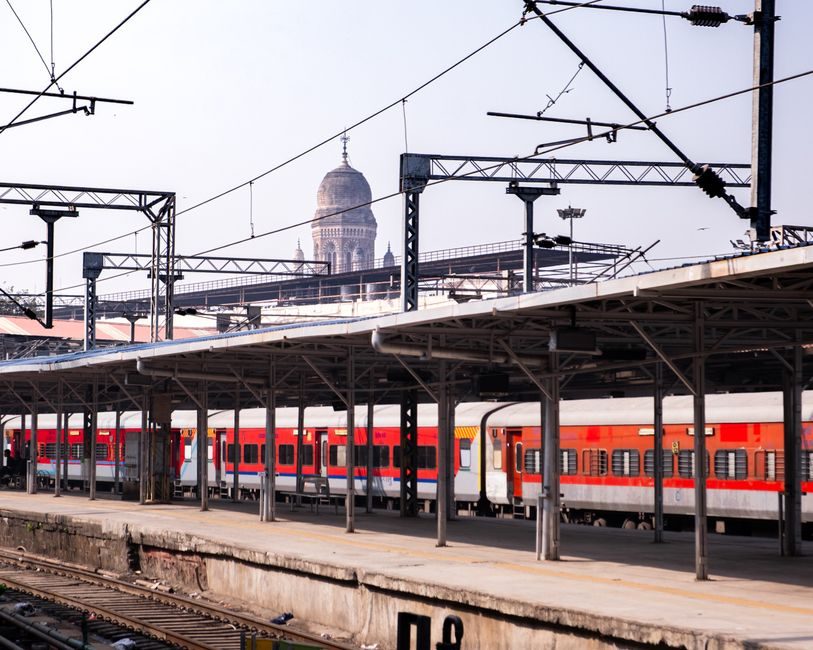
Start by identifying which rail, Metro or bus services are genuinely convenient from your neighbourhood. Mumbai’s local trains can cover long cross-city stretches, while BEST buses may connect areas that are less convenient by rail. Metro services can help on corridors they serve, but not every journey begins or ends near a station.
- Choosing a station by name alone; check its distance from the correct hospital entrance.
- Assuming a bus is direct; verify the route and destination stop before boarding.
- Treating Metro coverage as citywide; check whether both ends of the trip are served.
Check the whole trip rather than choosing a mode because it is familiar. A train may be quick between stations but require a bus or a long walk at the hospital end. A direct bus may avoid a transfer, yet traffic can make its arrival less predictable, especially during busy periods.
Use current route information to confirm service patterns and stop names before you leave. If you are starting in a neighbourhood served by more than one option, compare the walk to each boarding point as well as the ride itself. This is especially useful when travelling with someone who cannot comfortably change modes.
Use current service information
Check live or recently updated service information before setting out, particularly if your trip depends on a train connection or a specific bus. Planned works, service changes and disruptions can alter the best route. Recheck close to departure so a saved journey does not send you towards a service that has changed.
Compare directions from more than one reliable source when a route has several transfers or unfamiliar stops. Confirm that the suggested station exit or bus stop is practical for the hospital entrance, not merely close on a map. If information conflicts, choose a route you can verify at the station or stop.
For a time-sensitive appointment, allow a fallback option rather than depending on one exact connection. Note an alternative station, bus connection or taxi pickup point if one is available nearby. This does not mean paying for a different mode automatically; it gives you a clearer choice if the planned service is disrupted.
Compare routes and transfer points before leaving
Weigh time against effort
Compare routes by the effort they demand, not only by the estimated journey time. A route with a single transfer may involve a long interchange walk, while two shorter changes could be easier if the stops are close together. For a patient or older relative, fewer stairs and simpler directions may outweigh a small time saving.
Write down each stage in order: the starting stop, the service, the interchange and the final station or bus stop. Check that the transfer is between nearby platforms or stops rather than across a large road or complex station. This simple sequence makes it easier to spot an awkward change before you are travelling.
Think about the part of the trip most affected by traffic or crowds. A bus connection may be useful for reaching a station, but a train can be a more dependable choice for a long stretch during road congestion. The right balance depends on your starting area, the hospital gate and the traveller’s mobility.
| Option | Can help when | Check before leaving |
|---|---|---|
| Local train | A longer cross-city leg is involved | Station, direction and final connection |
| BEST bus | A route links nearby neighbourhoods or stops | Route, destination stop and traffic |
| Metro | Both ends connect conveniently to its corridor | Station access and onward journey |
| Mixed modes | No single service reaches the hospital gate | Transfer walk and connection point |
Check interchange details
Before leaving, confirm the direction of travel and the exact station or stop where you need to change. Stations with similar names, multiple exits or distant platforms can cause confusion, especially when you are concentrating on an appointment. Save the transfer sequence and keep the next service’s destination visible on your phone.
At an interchange, follow station signs and ask staff if the route between platforms or exits is unclear. Do not assume that a nearby-looking stop on a map is inside the same station complex. If a transfer requires crossing a road, allow time to use a safe crossing and reach the correct boarding point.
Choose a route that remains manageable if one connection is missed. A little extra time at a straightforward interchange can be preferable to a tight connection that creates stress. If travelling with a patient, agree on a meeting point in case you become separated, and keep the hospital destination details accessible.
Check the walking route from your final station or bus stop to the hospital entrance before you travel.
Allow for the last leg from the station or stop

Plan the walk to the gate
Check the walking route from your final station or bus stop to the hospital entrance before you travel. The closest stop on a map may not offer the easiest approach, and a large campus can place the relevant gate well beyond its boundary. Look for the actual public entrance, not simply the hospital label.
- ☐ Confirm the correct entrance.
- ☐ Check the walk from the final stop.
- ☐ Allow time to find the department.
- ☐ Keep directions and appointment details accessible.
Consider footpaths, road crossings, gradients and the amount of walking involved. A short distance can be difficult if pavements are crowded, uneven or interrupted by traffic. If someone in your group has limited mobility, ask the hospital which approach is easiest and whether a closer drop-off point is available.
Keep a small buffer for finding the entrance and the department once you reach the campus. Hospital grounds can be busy, and the first gate you see may not lead directly to your destination. Save directions offline or note a nearby landmark in case your phone connection or battery becomes unreliable.
Choose a practical final connection
If the walk is too long, compare a local bus or another permitted short-distance connection with walking the full way. Check the route and stop location first, since a bus passing near the hospital may not stop at the gate you need. When using an auto or taxi for the final stretch, agree on the correct entrance.
Think about luggage, weather and the traveller’s condition when deciding whether to walk. A route that is comfortable on a clear morning may be harder in heavy rain or after a tiring appointment. Keep the final connection flexible, and avoid relying on a vehicle pickup point that is difficult to reach from the station.
On arrival, confirm that you are at the right gate before entering the campus or asking for directions inside. If the entrance is closed to visitors or leads to another department, staff or security may be able to direct you to the appropriate public access point. Recheck the return route while you still have time and energy.
Check online maps and listings carefully
Verify the Exact Facility
Check the hospital’s official information before trusting a map pin, because large institutions may have several buildings, gates or departments. Confirm the name of the campus and the entrance for your appointment, then compare those details with the map. A pin near the hospital may still lead to a gate that is inconvenient or closed to your destination.
Search results can mix government hospitals with similarly named clinics, dispensaries or private facilities. Match the full institution name and neighbourhood, and look for a department or outpatient building when the hospital’s own pages identify one. If the listing and your appointment papers differ, use the hospital’s current official contact channel to clarify before setting off.
A healthcare provider or community organisation maintaining accurate service pages may find Seo Services useful when improving how people locate its information online. For your journey, treat online listings as a starting point, not final confirmation: check the facility name, entrance and department against information supplied by the hospital. This simple comparison can prevent a trip to the wrong gate or campus.
Check Updates Before Departure
Recheck the route on the day you travel, since a saved journey may not reflect a service disruption, road closure or altered stop. Compare the app’s travel estimate with current notices from the relevant public transport operator or authority. If information conflicts, allow time to confirm the change rather than relying on an old screenshot.
Maps are useful for seeing how stations, bus stops and hospital gates connect, but they may not show every practical obstacle. A suggested walking link can involve a busy road crossing, stairs or an entrance that is not open to the public. Use street-level views or official facility directions where available, then ask staff if the final approach remains unclear.
Keep a note of the hospital name, neighbourhood and nearest major station or bus stop separately from the map route. That makes it easier to ask for directions if your phone loses signal or the app reroutes you unexpectedly. Save the route while connected, but check that the downloaded details include the area around the destination rather than only the main journey.
Plan for crowds, accessibility and changing needs

Choose a Manageable Transfer
Choose a route that the traveller can comfortably manage, not just the one that appears quickest on a screen. A transfer between distant platforms, a crowded interchange or a long walk may be difficult when someone is unwell or carrying medical documents. For organisations serving a specific area, Leicester Seo Services offers an example of location-focused search work, though its geographic focus is outside Mumbai.
When comparing rail options, check whether the interchange requires stairs, a footbridge or a lengthy walk through the station. Bus journeys can avoid some station changes but may involve traffic delays or standing at a stop. The more suitable choice depends on mobility, appointment timing, the traveller’s condition and whether a companion is available.
If the traveller uses a wheelchair, walking aid or needs to avoid steps, check access arrangements with the transport operator and hospital before departure. Do not assume every station entrance or platform has the same facilities. Confirm where assistance can be requested and whether the hospital’s intended entrance is practical for the person’s mobility needs.
Allow For Peak Crowds
Crowds can make a normally simple transfer slower, especially when a traveller needs room to move at a steady pace. If the appointment allows, avoid planning a tight connection during busy commuting periods. Build in time to board safely, find the right platform or stop, and pause if the journey becomes tiring.
A companion can help manage bags, read signs and keep track of the route, but agree on a meeting point in advance in case you become separated. Choose a clear landmark inside the station rather than a moving train or crowded entrance. Keep the traveller’s appointment papers and essential medicines accessible without opening every bag in public.
For a hospital visit with changing health needs, plan for a slower return journey as well as the outward trip. The traveller may feel more tired after an appointment, and a route that was manageable earlier can become difficult. Identify a place to sit at a transfer point where possible, and have a companion check whether the planned connection remains suitable.
- Avoid tight connections during busy periods.
- Agree on a clear meeting point.
- Plan for a slower return trip.
Keep a simple backup route in mind
Identify Another Connection
Before leaving, identify one alternative if your main train, bus or transfer is disrupted. It might use a different interchange or a bus connection to a nearby stop, but check that it still reaches the correct hospital campus. A hospital or local service that wants its map profiles and location details to stay consistent may find Local Seo Services relevant.
- Name one alternative connection before departure.
- Check that it reaches the correct campus.
- Choose an option the traveller can manage.
Keep the alternative simple enough to remember without switching between several apps. Note the key station or stop and the point where you would change plans, rather than memorising every intermediate detail. If the first leg is delayed, this gives you a clear decision point instead of prompting a rushed search in a crowded place.
An alternative route should be realistic for the traveller, not merely available on a map. Check whether it adds a long walk, stairs or an unfamiliar transfer, and whether the person can manage those conditions. If it is not suitable, consider a different public transport connection or ask a companion to help confirm options before changing course.
Respond Calmly To Disruptions
If a service is interrupted, pause somewhere safe and check current operator information before choosing a replacement. Avoid following an unfamiliar crowd without confirming where it is going. If the disruption affects your transfer, use the alternative you checked earlier or ask station or bus staff for guidance to a suitable connection.
Tell your companion when you change the plan, especially if you are travelling separately or have agreed to meet at the hospital. Share the new station or stop and keep the appointment destination clear. If the traveller’s condition makes a longer journey unsafe or impractical, contact the hospital through its official channel to explain the delay and ask what to do.
A phone battery can fail just when a route changes, so keep the basic alternative in a written note or on paper. Include the hospital name and the key interchange, not private medical details you do not need to carry openly. This small preparation helps you ask for directions and continue the trip without depending entirely on a live map.
Travel with essentials and key contact details
Pack Papers And Essentials
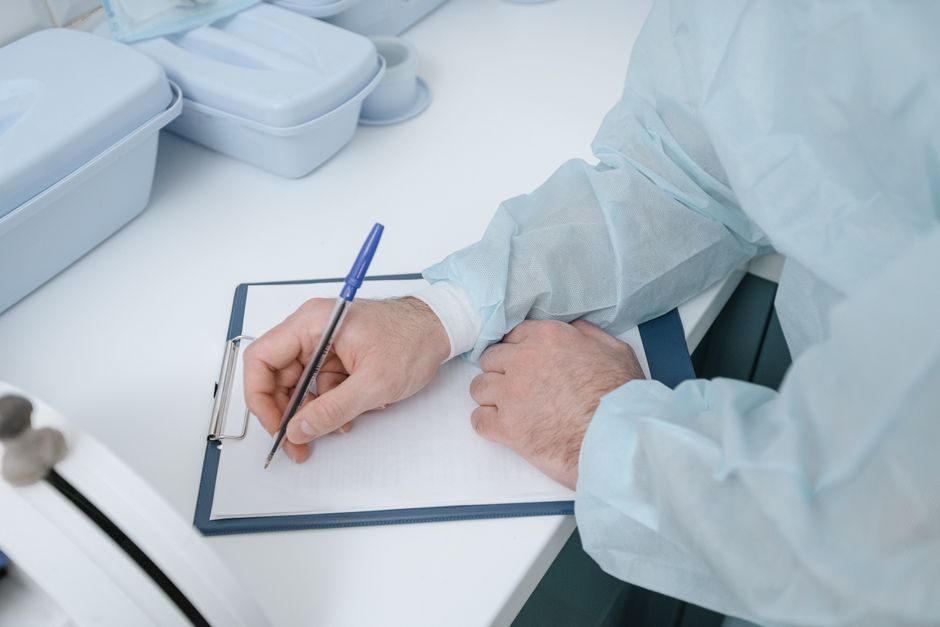
Keep the appointment details, identification and any documents requested by the hospital together in an easy-to-reach folder. Carry medicines the traveller may need during the journey, following their usual medical instructions, and avoid packing unnecessary items that slow transfers. A small, organised bag is easier to manage on a crowded train or bus than loose papers and several parcels.
- Gather appointment papers, identification and required reports.
- Pack medicines and essentials for the journey.
- Save the route and hospital details offline.
- Check the bag and phone before departure.
Before leaving, check that the phone is charged and that the route, hospital name and appointment information can be read offline. Bring a charging option if available, but do not make it the only way to access essential details. Write down the key destination and connection so a companion can help if the phone is misplaced or loses power.
Keep valuables and documents secure while boarding and changing services, and avoid displaying sensitive medical papers in a crowded carriage. Place the folder where the traveller or companion can reach it without unpacking the whole bag. If the visit requires a particular report or referral, confirm that it is included before starting the trip rather than discovering the omission at the hospital.
- Gather appointment papers and identification.
- Pack medicines needed during the journey.
- Save route details for offline access.
- Check documents before leaving.
Keep Contacts Easy To Find
Save the hospital’s official contact details and the appointment information where the traveller or companion can find them quickly. Use a verified hospital source rather than an unconfirmed listing, and check that the number or contact method is current. A written copy is useful if the phone is unavailable, but keep it with the travel papers rather than exposed in public.
Share the route and expected arrival plan with a trusted companion when appropriate. If a delay changes the journey, that person can help check the next connection or contact the hospital. Agree beforehand who will make that call, so the traveller is not left managing documents, a phone and a transfer at the same time.
For a person who may need assistance, make sure the companion knows the destination entrance and the simplest route from the final stop. Keep emergency and personal medical information private, sharing only what is necessary with someone who needs it. Before boarding the return journey, check that all papers, medicines and personal belongings are back in the bag.
Frequently asked questions
How early should I leave for a government hospital appointment?Work backward from the appointment time using the current journey estimate, then add a buffer for transfers, walking inside stations and finding the correct hospital entrance. The right allowance depends on your starting neighbourhood, time of day and the traveller’s mobility. Check for service updates before leaving, and avoid choosing a route that only works if every connection is immediate.
Should I use a train or a bus to reach a hospital?Neither option is best for every journey. A train may be useful for a longer cross-city trip, while a bus can bring you closer to a particular neighbourhood or avoid a station transfer. Compare the complete trip, including access to the platform, any interchange, walking distance at the destination and likely traffic, then choose what the traveller can manage.
What should I do if I reach the wrong hospital gate?Stop in a safe place and confirm the campus and department using the appointment information or the hospital’s official directions. Ask security or hospital staff how to reach the correct entrance rather than following an unverified map route through the premises. If you are far from the right gate, check whether a suitable public connection or accessible internal route is available.
Can I rely on a map app for a hospital journey?Use a map app to compare connections and estimate walking, but confirm key details through current transport notices and the hospital’s official information. Apps can miss entrance restrictions, station access difficulties or changes to service. Save the essential route details for offline use and keep the hospital name and nearest major stop written down in case your phone fails.
Make the Hospital Journey Easier to Manage
A reliable hospital trip starts with the exact campus and entrance, then follows a route the traveller can manage from their neighbourhood. Compare the full journey rather than choosing solely by travel time: transfers, stairs, crowds and the final walk can matter just as much as the train or bus ride. Check current service information, keep documents together and know one practical alternative before setting out.
Before your next appointment, confirm the hospital’s official directions and the correct department entrance, then check the route from your nearest station or bus stop. Save the journey and contact details offline, and discuss accessibility or assistance needs with the hospital or transport operator if anything is unclear. That short check before departure can reduce confusion when time, energy and attention are already limited.
Add Mumbai News as a preferred source on Google


