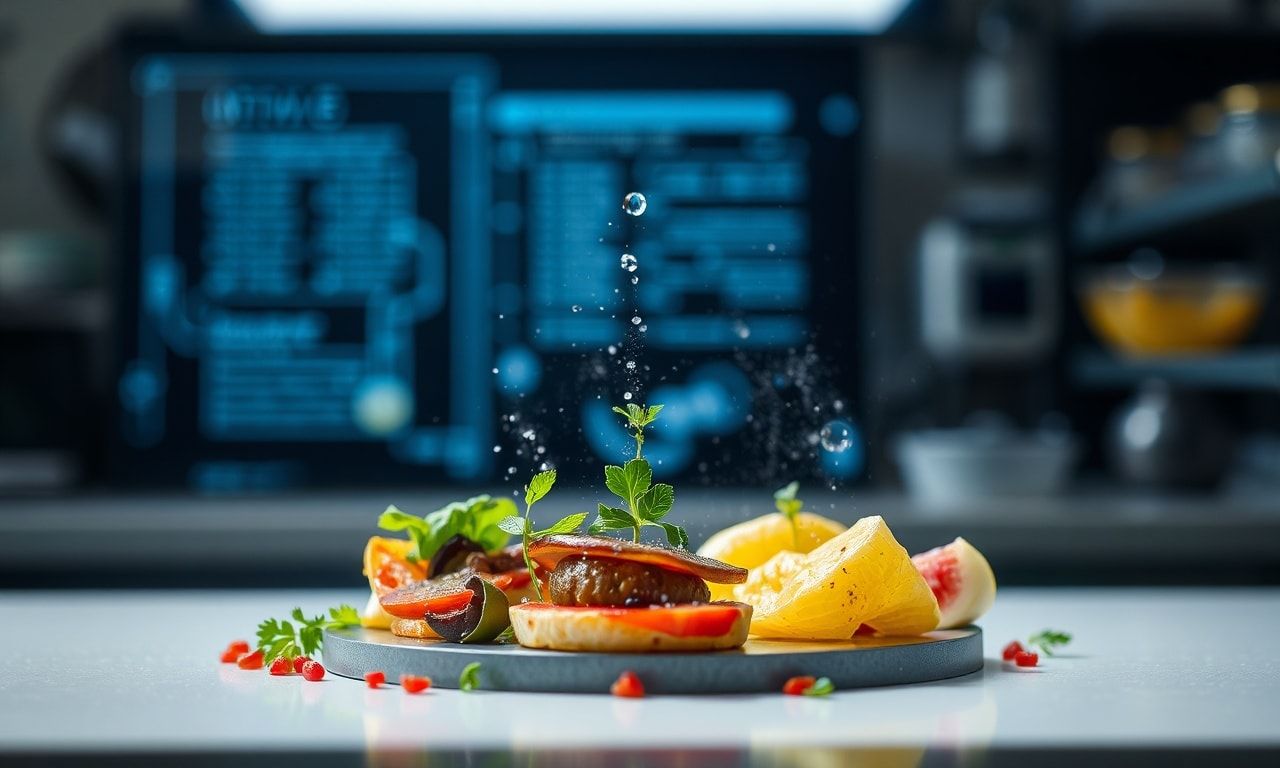
The Digital Transformation of the Culinary World
The culinary world is undergoing a digital transformation, much like other industries. Technology is revolutionizing the way we cook, eat, and share food experiences. From smart kitchen appliances to AI-driven recipe recommendations, the fusion of technology and gastronomy is creating a new era of culinary innovation. This article explores the various ways technology is enhancing our culinary experiences, making cooking more accessible and enjoyable for everyone.
The Rise of Smart Kitchen Appliances
Smart kitchen appliances are becoming increasingly popular, offering a range of features that make cooking more efficient and enjoyable. These appliances can be controlled via smartphone apps, allowing users to preheat ovens, adjust cooking times, and even monitor cooking progress remotely. Some smart appliances also come with built-in cameras, enabling users to check on their food without opening the oven door. Additionally, these appliances often come with pre-programmed recipes and cooking modes, making it easier for users to prepare a wide variety of dishes.
One notable example is the rise of smart pressure cookers, which use advanced algorithms to cook food perfectly every time. These devices can be connected to the internet, allowing users to download new recipes and cooking modes. Some models even come with voice assistants, enabling users to control the appliance with simple voice commands. This level of convenience and functionality is transforming the way we approach cooking, making it more accessible and enjoyable for both novice and experienced cooks alike.
The Role of AI in Culinary Innovation
Artificial Intelligence (AI) is playing a significant role in the culinary world, from recipe recommendations to personalized meal plans. AI-driven applications can analyze a user’s dietary preferences, allergies, and nutritional needs to create personalized meal plans. These applications can also suggest recipes based on the ingredients available in the user’s pantry, reducing food waste and making meal planning more efficient.
AI is also being used to enhance the cooking experience. For example, some AI-driven applications can provide step-by-step cooking instructions, complete with images and videos. These applications can also offer tips and tricks to help users improve their cooking skills. Additionally, AI is being used to develop new recipes and cooking techniques, pushing the boundaries of culinary innovation.
For those interested in exploring a wide range of recipes, including pratik yemek tarifleri kolay, AI-driven applications offer a convenient and personalized way to discover new dishes. These applications can suggest recipes based on the user’s preferences and dietary needs, making it easier to find dishes that suit their tastes and lifestyle.
The Impact of Technology on Food Delivery
Technology is also transforming the food delivery industry. Food delivery apps have become increasingly popular, offering a convenient way to order food from a wide range of restaurants. These apps use advanced algorithms to match users with restaurants based on their preferences and location, making it easier to find the perfect meal. Additionally, these apps often offer features like real-time tracking, allowing users to monitor the progress of their order.
The rise of drone and robot delivery is also changing the food delivery landscape. Companies are experimenting with drone and robot delivery systems, which promise faster and more efficient delivery times. These systems use advanced navigation and mapping technologies to deliver food directly to the user’s doorstep, reducing the need for human intervention. While these technologies are still in the early stages of development, they have the potential to revolutionize the food delivery industry.
The Future of Culinary Technology
The future of culinary technology is bright, with new innovations and advancements on the horizon. One area of particular interest is the development of smart kitchen assistants. These devices use AI and natural language processing to provide users with personalized cooking assistance. They can offer step-by-step cooking instructions, suggest recipes, and even help users plan their meals for the week.
Another area of innovation is the development of 3D food printers. These devices use advanced printing technologies to create intricate and customized food designs. 3D food printers have the potential to revolutionize the way we approach cooking, making it possible to create dishes that were previously impossible to make by hand. While these technologies are still in the early stages of development, they offer a glimpse into the future of culinary innovation.
As technology continues to evolve, we can expect to see even more advancements in the culinary world. From smart kitchen appliances to AI-driven recipe recommendations, the fusion of technology and gastronomy is creating a new era of culinary innovation. This digital gastronomy revolution is making cooking more accessible and enjoyable for everyone, transforming the way we approach food and dining.
Discover the latest advancements in tech-driven wellness with tech innovations for better health, a comprehensive exploration of cutting-edge solutions.
As AI continues to reshape the tech landscape, understanding its role in cybersecurity is crucial; delve into AI-driven security advancements to stay ahead of digital threats.
To stay ahead in the rapidly evolving tech landscape, dive into our latest piece on transformative digital innovation insights and discover how emerging technologies are reshaping industries.