The Evolution of Smart Homes
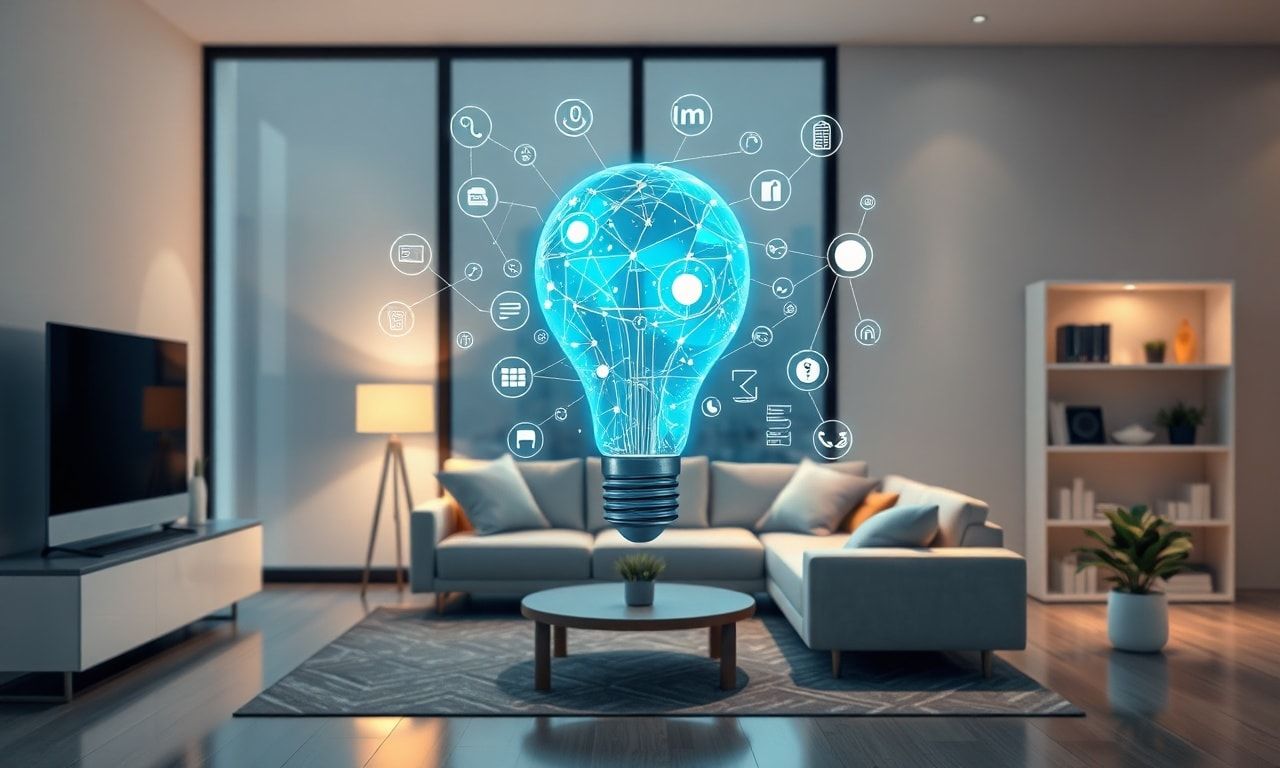
The concept of smart homes has evolved significantly over the past decade, transitioning from a futuristic idea to a tangible reality. Today, smart home technology encompasses a wide array of devices and systems designed to enhance convenience, security, and energy efficiency. At the heart of this evolution are advancements in artificial intelligence (AI) and the Internet of Things (IoT), which have revolutionized how we interact with our living spaces.
The Role of AI in Smart Homes
Artificial intelligence plays a pivotal role in modern smart home systems. AI-powered virtual assistants like Amazon Alexa, Google Assistant, and Apple’s Siri have become integral components, enabling voice-controlled automation of various household tasks. These assistants can manage everything from adjusting the thermostat to controlling lighting and entertainment systems. Moreover, AI algorithms continuously learn from user behavior, allowing for personalized automation that adapts to individual preferences and routines.
AI also enhances security through advanced surveillance systems equipped with facial recognition and anomaly detection. These systems can differentiate between familiar and unfamiliar faces, alerting homeowners to potential intruders. Additionally, AI-driven predictive maintenance can monitor the health of home appliances, alerting users to potential issues before they become critical, thus preventing costly repairs.
Integrating IoT Devices
The Internet of Things (IoT) is the backbone of smart home technology, connecting various devices and enabling seamless communication between them. IoT devices range from smart thermostats and lighting systems to security cameras and kitchen appliances. These devices collect and exchange data, allowing for a cohesive and efficient home environment. For instance, a smart thermostat can adjust the temperature based on the occupancy detected by motion sensors, while smart lighting systems can automatically dim or brighten based on the time of day or user preferences.
One of the key benefits of IoT integration is the ability to control these devices remotely. Homeowners can use their smartphones to monitor and manage their home environment from anywhere in the world. This remote accessibility not only provides convenience but also enhances security, allowing users to receive real-time alerts and take immediate action if necessary.
Enhancing Home Security with Smart Technology
Home security is a critical aspect of smart home technology. Traditional security systems have been upgraded with smart features that offer enhanced protection. Smart locks, for example, can be controlled via smartphone apps, allowing homeowners to lock or unlock doors remotely. These locks can also be integrated with other smart home devices, such as security cameras and motion sensors, to create a comprehensive security network.
Smart security cameras equipped with high-definition video and night vision capabilities provide round-the-clock surveillance. These cameras can be accessed remotely, allowing homeowners to view live feeds and receive notifications of any unusual activity. Additionally, smart doorbells with built-in cameras and two-way audio enable homeowners to communicate with visitors even when they are not at home, adding an extra layer of security.
For those looking to enhance their home’s plumbing and electrical systems, professional services like tesisatçılar.net tesisatçı telefonları offer expert solutions tailored to smart home integration. These services ensure that all components of the home are seamlessly connected and functioning optimally.
Energy Efficiency and Sustainability
Smart home technology also contributes to energy efficiency and sustainability. Smart thermostats, for instance, can learn a homeowner’s schedule and adjust heating and cooling systems accordingly, reducing energy consumption and lowering utility bills. Similarly, smart lighting systems can automatically turn off lights in unoccupied rooms, further conserving energy.
Renewable energy sources, such as solar panels, can be integrated with smart home systems to monitor and optimize energy usage. Smart meters provide real-time data on energy consumption, allowing homeowners to make informed decisions about their energy usage. Additionally, smart appliances, such as washing machines and refrigerators, can be programmed to operate during off-peak hours when energy rates are lower, further reducing costs and environmental impact.
The Future of Smart Homes
The future of smart home technology is bright, with continuous advancements in AI and IoT driving innovation. As these technologies become more sophisticated, smart homes will become even more intuitive and responsive to user needs. The integration of AI-driven predictive analytics will enable homes to anticipate and address issues before they arise, creating a truly proactive living environment.
Moreover, the growing emphasis on sustainability and energy efficiency will drive the development of new smart home solutions that minimize environmental impact. From smart windows that adjust tint based on sunlight to advanced water management systems, the possibilities are endless. As smart home technology continues to evolve, it will undoubtedly transform the way we live, making our homes safer, more efficient, and more comfortable than ever before.
If you’re intrigued by how smart technologies can drive sustainability, explore Bristol’s urban heating solution and its potential for cities worldwide.
Discover how cutting-edge tech is revolutionizing the yachting industry by exploring innovations shaping future voyages.