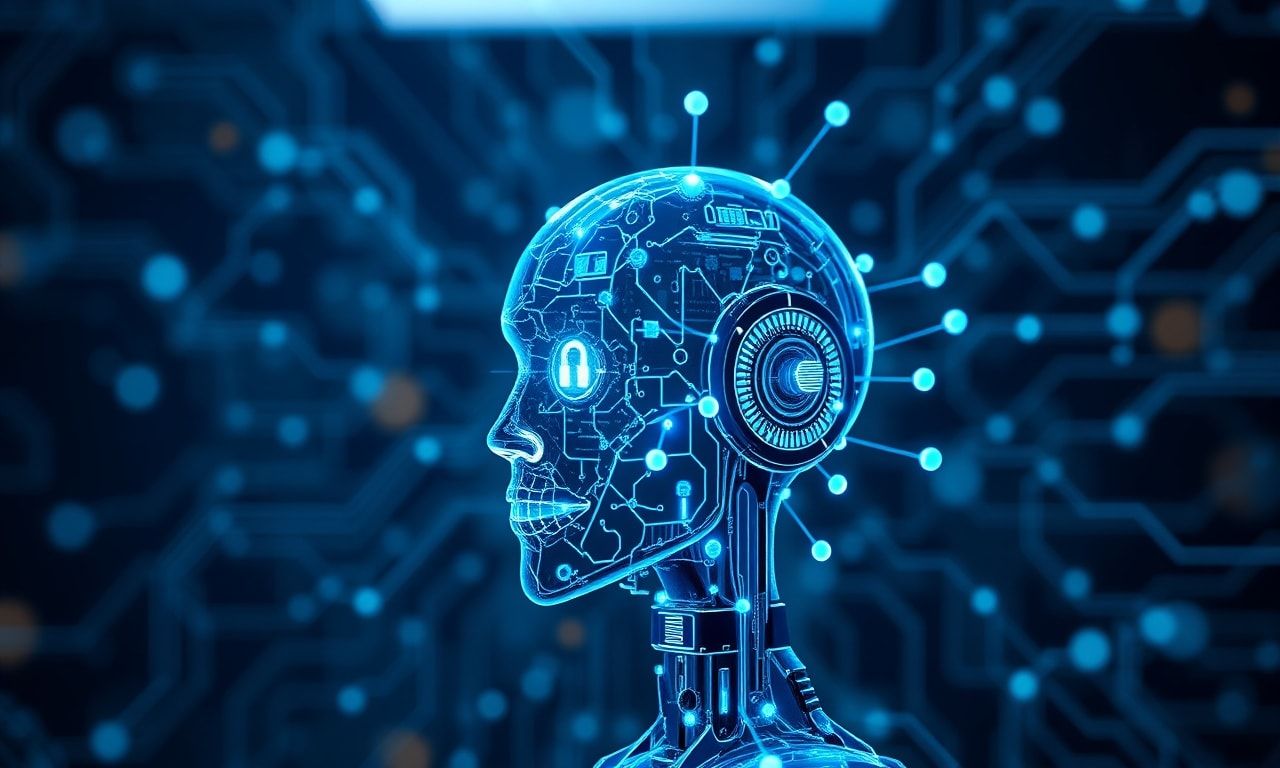
The Intersection of AI and Cybersecurity
The rapid advancement of artificial intelligence (AI) has permeated various sectors, and cybersecurity is no exception. The integration of AI in cybersecurity has revolutionized how threats are detected, analyzed, and mitigated. This synergy has given rise to a new frontier where machine learning algorithms and advanced analytics work in tandem to fortify digital defenses. As cyber threats become more sophisticated, the role of AI in cybersecurity is more critical than ever.
The Role of AI in Threat Detection
One of the most significant contributions of AI to cybersecurity is its ability to detect threats in real-time. Traditional cybersecurity measures often rely on signature-based detection, which can be ineffective against new and evolving threats. AI, on the other hand, uses machine learning to identify patterns and anomalies that may indicate a cyber attack. This proactive approach allows for quicker response times and minimizes potential damage. Additionally, AI can analyze vast amounts of data from various sources, providing a comprehensive view of the threat landscape.
Machine Learning Algorithms
Machine learning algorithms are at the heart of AI-driven cybersecurity. These algorithms can be trained to recognize malicious activities by analyzing historical data and identifying patterns. For instance, anomaly detection algorithms can flag unusual behavior, such as unexpected data transfers or unauthorized access attempts. Supervised learning techniques can also be employed to classify known threats and improve the accuracy of threat detection. The continuous learning capability of these algorithms ensures that they adapt to new threats, making them an invaluable tool in the cybersecurity arsenal.
The Impact of AI on Incident Response
The integration of AI in cybersecurity extends beyond threat detection to incident response. AI-powered systems can automate the process of identifying and containing threats, significantly reducing the time it takes to respond to an attack. Automated response mechanisms can isolate affected systems, block malicious IP addresses, and even patch vulnerabilities without human intervention. This not only enhances the efficiency of incident response but also reduces the workload on cybersecurity teams, allowing them to focus on more strategic tasks.
Automated Response Mechanisms
Automated response mechanisms leverage AI to execute predefined actions in response to detected threats. These mechanisms can be customized to fit the specific needs of an organization, ensuring that the response is both effective and timely. For example, an AI system can automatically quarantine a compromised file or block a malicious IP address, preventing further damage. The use of AI in incident response not only improves the speed and accuracy of the response but also reduces the potential for human error, which can be costly in the event of a cyber attack.
The Future of AI in Cybersecurity
The future of AI in cybersecurity is bright, with ongoing research and development paving the way for even more advanced applications. One area of particular interest is the use of AI for predictive analytics. By analyzing historical data and identifying trends, AI can predict potential threats before they occur, allowing organizations to take proactive measures to prevent attacks. Additionally, the integration of AI with other emerging technologies, such as blockchain and the Internet of Things (IoT), is expected to further enhance cybersecurity capabilities.
Predictive Analytics
Predictive analytics is a powerful tool that can be used to anticipate future threats based on historical data. AI algorithms can analyze patterns and trends to identify potential vulnerabilities and predict the likelihood of an attack. This proactive approach allows organizations to strengthen their defenses and mitigate risks before they materialize. For example, AI can predict the likelihood of a phishing attack based on user behavior and historical data, enabling organizations to implement targeted training and awareness programs to prevent such attacks.
In conclusion, the integration of AI in cybersecurity has transformed the way threats are detected, analyzed, and mitigated. From real-time threat detection to automated incident response, AI has become an indispensable tool in the fight against cybercrime. As technology continues to evolve, the role of AI in cybersecurity will only grow, paving the way for a more secure digital future. For those looking to enhance their email marketing strategies, exploring resources like e-posta pazarlama kampanyası ipuçları can provide valuable insights and best practices to stay ahead in the ever-evolving digital landscape.
Discover how Honda Civic is revolutionizing automotive tech with AI and cybersecurity integration, setting new standards in vehicle innovation.
To stay ahead in the tech-driven marketing world, explore content strategies in digital marketing and their impact on tech innovations and software.
As businesses increasingly rely on digital tools to engage customers, understanding the latest trends in customer retention is crucial; explore the shifting dynamics in our comprehensive guide, retaining customers in the digital era.