
Practical guide to rooftop GES installation for tech teams
A clear, client-focused guide on rooftop solar GES install for tech readers; covers basics, options, and safety considerations with practical steps.

If you’re evaluating rooftop solar energy for a tech project, you’ll want a clear path from concept to deployable plan. This guide breaks down rooftop GES installation into practical, tech-friendly steps, focusing on what matters: performance, safety, and integration with existing systems. You’ll learn how to scope the work, choose a system, and avoid common pitfalls.
By the end, you’ll know how to assess site suitability, select components that fit your energy goals, and coordinate with installers to ensure reliable operation. The guidance avoids hype and sticks to actionable details you can verify against a real-world project. Expect concrete checks, examples, and a practical decision framework.
If you’re researching to support a tech product, facility upgrade, or research lab, this overview keeps you grounded in engineering realities while pointing to sensible next steps. You’ll gain a framework for comparing options and a checklist you can adapt for discussions with vendors and contractors.
- Rooftop GES installations require clear component roles, site assessment, and a practical configuration choice. Start with grid-tied vs. hybrid options based on resilience needs, then pick a mounting approach that fits roof conditions. Plan for integration with building systems and ensure safe, compliant installation.
- Expect to account for shading, permits, and maintenance from day one, and keep a tight scope aligned with real energy goals. Use a structured project plan with defined responsibilities and a staged testing process.
- This guide emphasizes concrete steps: analyze site, select configuration, choose mounting, and prepare for commissioning. Concrete checklists, risk awareness, and practical governance help you avoid common delays and performance issues.
- To keep the project on track, document interfaces early, validate performance through tests, and schedule regular inspections. A disciplined approach yields reliable energy output and easier future upgrades.
Basics of rooftop GES systems
Key components and roles
A rooftop GES system combines solar panels, mounting hardware, inverters, and a monitoring setup. Each part has a clear job: panels capture sunlight, inverters convert DC to usable AC, and the monitor tracks performance and health. Understanding these roles helps you plan for reliability and maintenance from day one. Didim anahtar teslim çatı GES kurulumu is a phrase you may see when comparing local service options with international equipment.
- ☐ Confirm roof space and orientation
- ☐ Verify structural integrity and access
- ☐ Gather utility interconnection details
- ☐ Prepare a basic electrical diagram
In practice, you’ll size the array to meet a portion of your load while considering shading, wind, and roof access. This avoids oversizing that drains space and increases costs. A realistic baseline is essential for a workable budget and schedule.
Bigger picture: the system should integrate with building management or microgrid controls so you can observe energy flows and peak shaving opportunities. This alignment reduces surprises during commissioning and operation.
- Assess roof area and orientation early
- Check for structural load limits and warranties
- Plan for wiring routes and up-front permits
- Consult a qualified installer for local code alignment
- Schedule a commissioning test and documentation
How rooftop GES speaks to tech systems
A rooftop solar setup should be understood as an energy source in a larger network. It needs predictable behavior, so you’ll specify response times, power quality, and fault reporting that your monitoring stack can digest. This helps your software and hardware teams build reliable interfaces.
You’ll typically define a data stream for performance metrics, weather data, and fault alarms, so your team can detect trends and trigger maintenance before failures disrupt operations.
Balancing solar output with demand is easier when you have a control strategy that fits your tech stack, whether it’s on-site batteries, demand response, or grid-tied operation. This makes the project more than a hardware install.
Choosing the right configuration
Grid-tied vs standalone
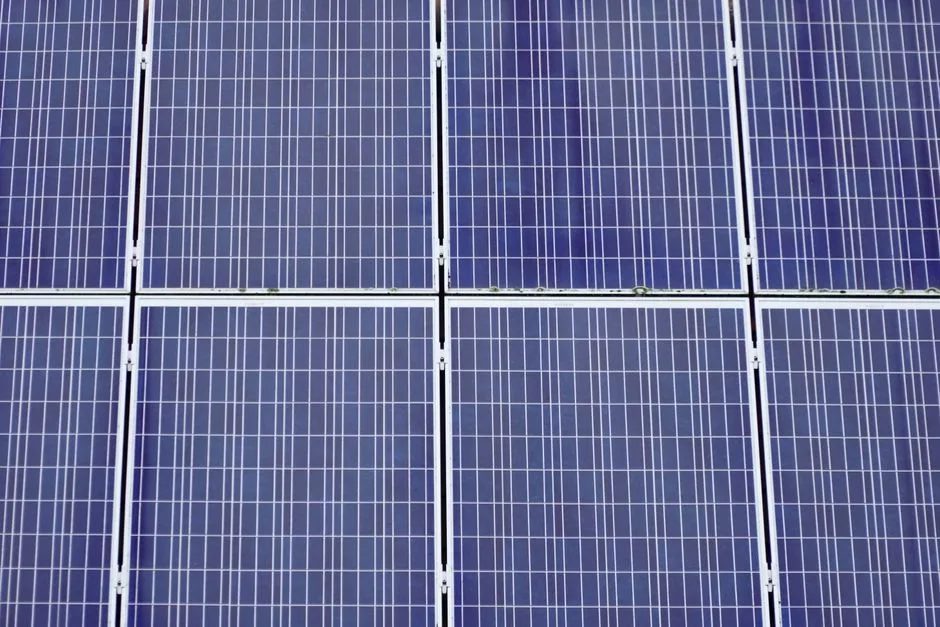
Grid-tied systems feed energy into the local grid and use net metering or similar tariffs. They’re generally simpler and cheaper to start, but they depend on grid reliability and utility policies. If your facility runs critical loads, you may need a hybrid or backup solution.
Standalone or hybrid systems provide energy storage and independence from grid outages. They’re more complex and expensive but offer resilience for important operations and research. Your decision should hinge on acceptable risk, downtime costs, and space.
In practice, you’ll map critical load windows, check availability of backup power, and determine if a storage system is worth the added cost and control complexity.
- Identify critical vs non-critical loads
- Assess storage capacity needs and discharge rates
- Review interconnection rules and incentives
- Plan for seasonal and weather variability
Practical installation options
On-roof vs ground-mounted
On-roof mounting minimizes space and keeps everything compact, but it requires careful waterproofing and access planning. It’s ideal for dense urban settings where roof space is already allocated to other systems.
- Survey roof area and structural capacity
- Choose mounting type and orientation
- Run electrical routing and safety clearances
- Arrange commissioning and testing
Ground-mounted installations offer flexibility for larger arrays and easier maintenance, but they demand more land and structural considerations. They’re often used when roof constraints limit capacity or access is better from the ground.
Real-world deployments balance these trade-offs by evaluating roof integrity, drainage, and future expansion prospects.
- Evaluate roof load limits and waterproofing needs
- Consider future expansion potential
- Plan safe access paths for maintenance
- Coordinate with building management for permits
| Option | Pros | Cons |
|---|---|---|
| Grid-tied | Lower cost, simple | Dependent on grid and tariffs |
| Standalone | Independence, resilience | Higher upfront cost and space requirements |
| Hybrid | Balance of resilience and cost | More complex control and maintenance |
Use shade analysis and consider panel placement and mounting height to optimize performance.
Common pitfalls to avoid
Common mistakes in planning
Underestimating shading effects is a frequent error that reduces energy yield. Use shade analysis and consider panel placement and mounting height to optimize performance.
Neglecting local codes and permit steps creates delays and rework. Start early with site visits, drawings, and utility interconnection planning.
Ignoring maintenance planning leads to early failures. Schedule regular inspections, cleanings, and module health checks to maintain output.
Overcomplicating the system without clear requirements increases cost and risk. Keep the scope aligned with your real energy goals and available resources.
- Plan for shading and orientation
- Follow local permitting steps
- Build a maintenance schedule
- Keep scope aligned with needs and budget
Safety considerations for rooftop systems
Protective gear and fall prevention
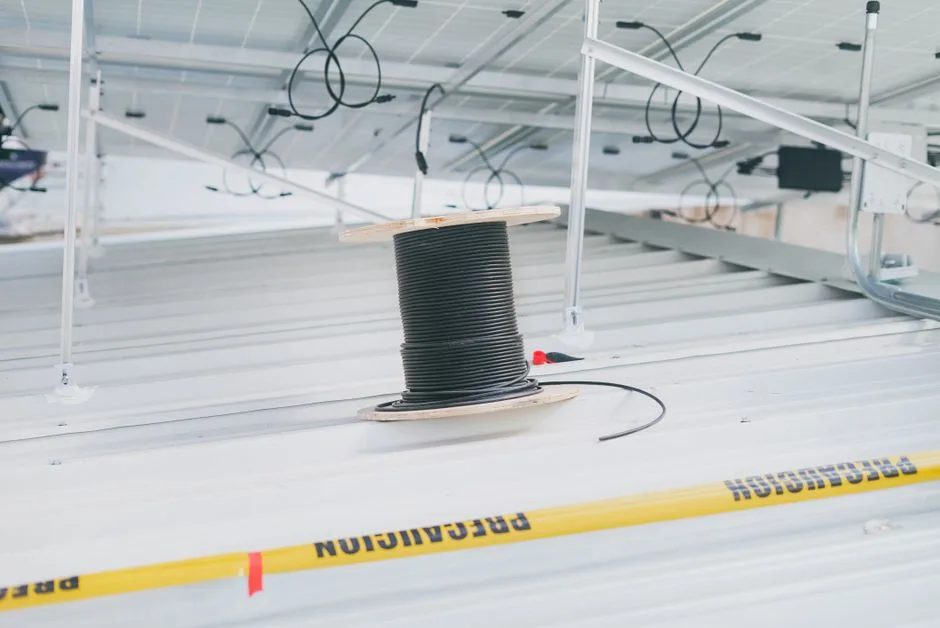
When planning rooftop work, prioritize fall protection and proper PPE. Use harnesses, anchors, and non-slip footwear to minimize slip hazards. Establish a clear landing zone and weather plan to avoid work in high winds or rain.
- Always use fall protection on every rooftop task.
- Inspect equipment daily and before use.
- Have a clear weather plan and safety briefing on site.
Document safety procedures and ensure all team members are trained on equipment use and emergency steps. Regularly inspect scaffolding, ladders, and anchor points before each shift. Keep walkways free of debris to reduce trip risks.
- Harnesses and anchors inspected
- Weather checks before work
- Clear communication plan
- Emergency drills
- Ladders secured
Implementing electrical safety prevents fires and injuries on site. Lockout-tagout procedures ensure circuits are de-energized during work, and proper insulation reduces shock risk. Use insulated tools and verify voltage with a tester at multiple points.
Keep a grounded electrical plan visible for all crew, and designate a safety lead responsible for compliance and quick response to hazards. Track changes in wiring layouts as the project evolves, so the plan stays current.
Coordinate rooftop activities with ground crew for any crane, ladder, or hoist moves to avoid overlapping hazards and ensure swift evacuation if needed.
Monitoring and analytics

Real-time data streams and sensors
Set up sensors to monitor voltage, current, temperature, and panel orientation in real time. Use a dashboard to visualize performance trends and detect anomalies quickly. Establish baseline outputs for different weather conditions to identify deviations.
Regularly compare live data with predicted models to catch drift early. Record events such as shading or snow cover that affect output and annotate when maintenance actions are taken.
Plan for offline data storage and robust alerts that reach operators via mobile or email, ensuring no single point of failure in data collection.
- Voltage/current sensors
- Dashboard alerts
- Normal vs. abnormal baselines
- Event tagging
- Offline storage
Analytics help you optimize maintenance windows by showing when outputs fall within expected ranges. Use performance ratios to compare actual versus expected energy generation under similar conditions. Track inverter efficiency and string-level losses to target corrective actions.
Periodically review data retention policies and ensure privacy considerations for any data collected beyond device health. Keep dashboards accessible to engineers but secure against unauthorized changes.
Forecasting models improve with historical weather and load data, guiding procurement and crew scheduling.
Economics and incentives
Cost considerations and payback
Assess upfront capital costs against long-term operating savings to determine payback periods. Include installation, permitting, and any necessary electrical upgrades in the model. Use conservative assumptions for maintenance to avoid overstated returns.
Share risk with stakeholders by modeling cash flows under different scenarios, such as varying energy prices or partial shading. Present sensitivity analyses to illustrate resilience.
Document depreciation, tax credits, and any local incentives that apply, but verify eligibility with a qualified advisor to avoid misinterpretation of rules.
- Capex vs. Opex
- Sensitivity analysis
- Incentive eligibility
- Depreciation rules
- Maintenance contingency
Compare rooftop options by lifetime costs, not only upfront price. A higher-efficiency inverter or better racking may reduce energy losses and extend system life, but initial costs rise. Balance maintenance needs against projected energy savings to find a sustainable middle ground.
Engage with a finance partner who understands solar or energy projects to structure favorable repayment terms. Use third-party reviews to validate assumptions and reduce risk.
Keep documentation of warranties and service contracts to protect long-term economics against component failures.
Maintenance and lifecycle management

Scheduled checks and replacements
Create a routine for monthly visual inspections of panels, wiring, and mounting hardware. Look for micro-cracks, delamination, loose fasteners, and corrosion on brackets. Schedule deeper inspections after severe weather events or after a year of operation.
Record maintenance actions in a shared log with dates, parts replaced, and technician notes. This history helps diagnose recurring issues and plans replacement cycles.
Plan for reliability by stocking a small spare parts kit, including connectors and fuses, to minimize downtime between service visits.
- Panels and wiring checks
- Record-keeping
- Spare parts kit
- Post-storm inspections
- Yearly deeper audits
Lifecycle management extends beyond hardware. Develop a maintenance calendar that includes inverter firmware updates, cable aging assessments, and battery health checks if used with storage. Align the calendar with manufacturer guidelines to avoid voided warranties.
Assign experienced technicians to critical tasks and rotate on-call duty to ensure knowledge transfer and quicker issue resolution. Keep escalation paths clear so small problems don’t become outages.
Evaluate end-of-life plans for non-repairable components and consider recycling options or manufacturer buy-back programs to reduce environmental impact.
Frequently asked questions
Do rooftop GES installations require permits?Most projects require local electrical and construction permits and a site safety plan. Permitting ensures the wiring, grounding, and mechanical work meet codes. Expect inspections at different stages, from mounting to commissioning, and factor permit timelines into your schedule.
How long does a rooftop system typically take to install?Installation durations vary with system size and site access. A small commercial setup may complete in days, while larger campuses require phased work and more coordination. Build a realistic timeline that includes permit approvals and commissioning tests.
What maintenance does a rooftop system need after commissioning?Routine checks focus on electrical connections, mounting integrity, and inverter health. Schedule monthly visual inspections and quarterly tests of monitoring data. Plan for seasonal cleaning and battery checks if storage is part of the system.
Are there common hidden costs in rooftop GES projects?Hidden costs include permit delays, scaffold and safety equipment rental, and coastal or shaded site remediation. Budget for ground fault protection upgrades and potential cable replacements over time. Include contingency funds for weather-related scheduling uncertainty.
Next steps for teams
With a practical plan in hand, start the phased rollout and align stakeholders on data-driven targets. Use initial findings to optimize both the hardware and the monitoring configuration for scale.
Commit to rigorous maintenance and documentation so the rooftop system remains reliable and extensible. Schedule quarterly reviews to adapt to evolving energy goals and safety requirements.
For a deeper understanding of this topic, Smart Guide to Aydın güneş paneli offers valuable insights worth exploring.
For more insights on this topic, you might find Solarenergie senkt Klima-Kosten bei Villa-Ayden: Praxisguide particularly informative.
Readers interested in this subject may also want to explore Tech guide: comparing Honda Accord features for additional perspectives.
Add Mumbai News as a preferred source on Google


