
How Mumbai Businesses Can Prepare for Monsoon Disruptions
A practical guide for Mumbai shopkeepers: assess rain risks, protect staff and stock, plan wet-weather operations and keep customers informed.

Mumbai businesses can prepare for monsoon disruptions by checking local weather and travel conditions, protecting stock from water, and deciding in advance when to adjust opening hours or pause operations. Make staff safety the priority, set clear ways to update customers, and assign someone to review conditions before each shift so decisions are timely rather than improvised.
Heavy rain can affect different parts of the city in different ways. A shop near a low-lying road, a market relying on daily deliveries, and a service business whose staff commute by train may each need a different backup plan.
Start with the risks your business actually faces, then write down who makes decisions and how workers and customers will hear about them. The sections below cover operational planning, communication choices, and practical steps for protecting people, stock, and premises.
- Assign decision-makers and set clear triggers for changing hours or services.
- Map transport, deliveries, staffing, and site access to practical backup actions.
- Use familiar channels to share current, specific customer updates.
- Protect staff first, then move vulnerable stock and equipment away from water.
Why monsoon planning matters for Mumbai businesses
Prepare before heavy rain
A written monsoon plan helps a business respond consistently when rain disrupts travel, deliveries, or access to its premises. Decide who checks conditions, who can change opening hours, and how staff will receive instructions. If an agency coordinates weather updates for several local clients, white label press release distribution can support delivery under its own brand.
- ☐ Name the person who checks weather and travel conditions.
- ☐ Set out who can change hours or pause service.
- ☐ Choose a reliable staff update channel.
- ☐ List the stock and equipment that need protection.
Plan for the first disruption, not just the most dramatic one. A delayed supplier, a staff member unable to reach work, or water pooling near an entrance can affect the day's service even when the premises remain open. List the tasks that must continue and identify which can wait until travel and conditions improve.
Give every person with a role in the plan a clear point of contact and a backup. A shop manager may decide whether to open, while a designated colleague sends updates and checks that staff have seen them. Write down these responsibilities so the plan still works if the usual decision-maker is travelling or unavailable.
Account for local disruption
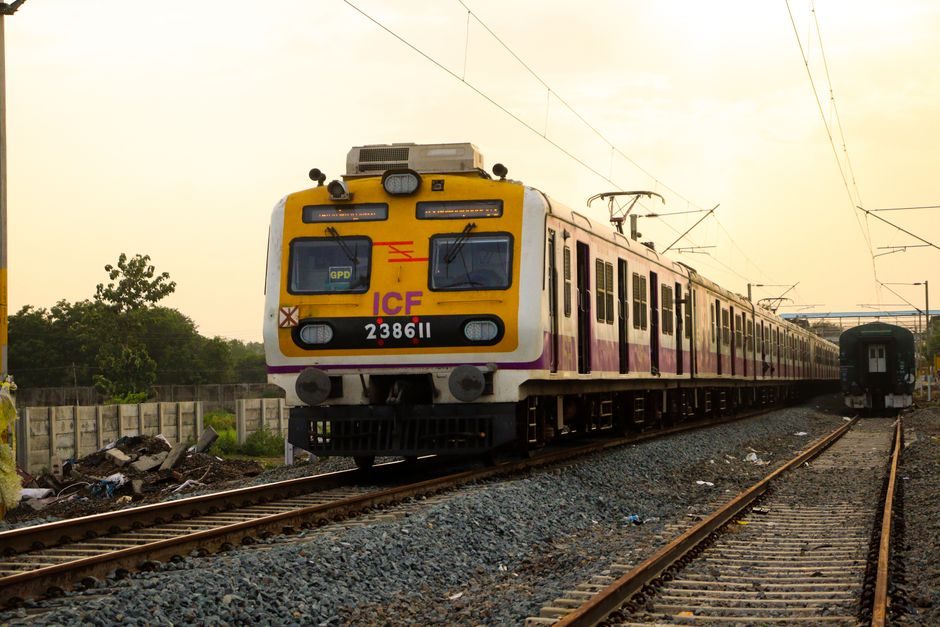
Mumbai's monsoon affects business routines through more than rainfall at the shopfront. Staff may face delays on suburban rail, BEST buses, or roads, while suppliers may change delivery times as conditions shift. Build flexibility into rosters and receiving arrangements rather than assuming everyone can follow a normal timetable.
Consider the conditions around your own premises, not only citywide reports. A business in a low-lying area may need to move goods before water enters, while a site reached by a narrow lane may lose customer access sooner. Ask staff what routes and pinch points affect their journeys, then include those observations in planning.
Planning also helps avoid mixed messages when operations change. If staff hear different instructions from supervisors, some may travel in unnecessarily or customers may arrive after a service has paused. Agree on a single source for decisions and record the time of each update, so everyone can tell whether guidance is current.
Map weather risks to your daily operations

Trace each day's dependencies
Map the steps that keep your business running, from staff arrival and stock receipt to customer service and cash handling. Mark which steps depend on public transport, road access, electricity, or deliveries. A business seeking professional help with seasonal communications can use an seo agency directory to find agencies to evaluate.
- Identify which daily tasks rely on transport, power, or deliveries.
- Connect each dependency to a specific backup action.
- Review conditions before opening and again if they change.
Then connect each dependency to a practical disruption. If a delivery is delayed, identify which products can run short and whether another supplier or collection arrangement is possible. If staff cannot reach the premises, decide which services can be reduced safely and who can cover essential duties without stretching the team.
Use a simple daily check that someone can complete before opening. Review the latest local weather advisory, inspect the entrance and nearby access, and confirm whether key staff and suppliers can travel. Record the decision and the next review time, especially when conditions are changing, so the team does not rely on an outdated morning assessment.
Set operational decision points
Agree on what conditions would lead you to delay opening, limit service, or close temporarily. Use observable triggers, such as an unsafe approach to the entrance, a missed essential delivery, or staff being unable to travel safely. A clear trigger reduces pressure on an individual to make a difficult call without agreed guidance.
Keep the plan proportionate to your business. A small shop may be able to serve customers for shorter hours, while a workshop that depends on deliveries may need to pause certain jobs. Define what can continue safely, what must stop, and how unfinished work or customer bookings will be handled.
Review these decisions with staff before the rain arrives, and make sure they know not to take risks to meet a schedule. Include a way to report changing conditions from the premises, such as water near an entrance or a blocked approach. When choosing outside communications support, compare agencies' experience and services before appointing one.
- Set a trigger for delaying or pausing operations.
- Decide which services can continue safely.
- Assign someone to report changing site conditions.
- Plan how to handle affected bookings or orders.
Choose how to keep customers informed
Use channels customers already check
Choose one primary channel customers already use to check your hours or service status, and keep it current during disruption. Update your business profile, social pages, or existing customer messaging channel with a clear notice about opening, access, and the next update. MediaKit.uk can help a business identify publishing outlets when it wants to share useful seasonal information with a wider audience.
Keep each message practical and specific. State whether you are open, offering a changed service, or temporarily closed, and explain what customers should do about collections or appointments. Avoid promising a reopening time until you have checked conditions and confirmed staff can travel safely.
Make sure someone owns the update process and can post from outside the premises if necessary. Keep draft messages ready for common changes, but check every detail before sending so customers do not receive stale hours or instructions. If a channel is unavailable, use a pre-agreed alternative and direct customers to the most reliable source.
| Channel | Best use | Limit |
|---|---|---|
| Business profile | Hours and access status | May not reach every customer |
| Social page | Quick service changes | Customers must check the page |
| Customer messaging | Updates for existing contacts | Reach depends on current contact details |
| Direct booking message | Appointment changes | Covers booked customers only |
Make updates clear and timely
Lead with the information customers need to act: whether the premises are open, whether the usual entrance is accessible, and whether orders or appointments are affected. Put the update time near the start so people can judge how current it is. Avoid vague wording that leaves customers unsure whether to travel.
Tell customers when to check again if your decision is temporary. For example, say that you will review conditions later in the day rather than suggesting a firm reopening time you cannot guarantee. If an appointment changes, provide a clear next step through the channel used for the original booking.
Keep messages consistent across channels, especially when a business has several staff members posting updates. Assign one person to confirm the wording and remove outdated notices when circumstances change. Clear, matching information can prevent avoidable journeys and reduce repeated calls while the team is managing a disrupted service.
Do not ask staff to make an unsafe journey or enter a premises where conditions pose a clear risk.
Protect staff, stock and premises

Put people before opening hours
Do not ask staff to make an unsafe journey or enter a premises where conditions pose a clear risk. Check how each person is travelling and give them a way to report delays without pressure to reach work at any cost. Make it clear who can approve a shift change or reduced staffing when routes are disrupted.
Walk through the workplace before heavy rain, checking entrances, walkways, electrical areas, and places where water could collect. Move loose cables and equipment away from damp areas, and keep exits clear. If water reaches an electrical installation or creates a slipping hazard, restrict access and seek qualified help rather than attempting a risky fix.
Prepare a simple staff check-in process for changing conditions. A supervisor can confirm who has arrived, who is delayed, and whether anyone needs support or a change of duties. Keep emergency contacts and essential instructions accessible, and make sure workers know how to raise a concern without waiting for the next scheduled briefing.
Keep stock and records dry
Move vulnerable stock, paper records, and essential equipment above floor level before rain begins, especially in areas that have previously taken in water. Use sealed containers for documents and keep a clear path to storage so staff can act quickly. Prioritise items that are difficult to replace or needed to resume service.
Check doors, shutters, roof areas, and drains that your business is responsible for maintaining, and arrange repairs before the season becomes demanding. Keep absorbent materials and basic cleaning supplies where staff can reach them safely. Do not block drains or exits with boxes while trying to protect goods.
After water enters, keep people away from contaminated or electrically unsafe areas and document visible damage only when it is safe. Follow relevant building and safety guidance before cleaning or reopening. A careful inspection helps distinguish stock that can be handled safely from items that need to be isolated or assessed.
Avoid common communication and safety mistakes
Make Messages Clear and Verified
Do not announce that a shop is open until someone has checked the route, premises and staffing situation. A message posted before conditions change can send customers towards flooded streets or leave them facing a closed shutter. Assign one person to confirm the facts, then update every channel the business normally uses.
Keep each update specific: say whether the premises are open, operating on reduced hours or temporarily closed, and when customers should check again. Avoid vague phrases such as “business as usual” when staff or deliveries are affected. If reopening depends on conditions, explain that clearly rather than promising a time you may not be able to meet.
Correct outdated information wherever it appeared, including a shop’s social accounts, website, messaging groups and notices at the entrance. If a closure was announced in the morning, a later reopening update should be just as visible. Staff should know which message is current so they do not give customers conflicting answers by phone or in person.
- Confirm conditions before posting.
- State the operating status plainly.
- Give a time for the next update.
- Remove or correct outdated notices.
Keep Safety Ahead of Sales
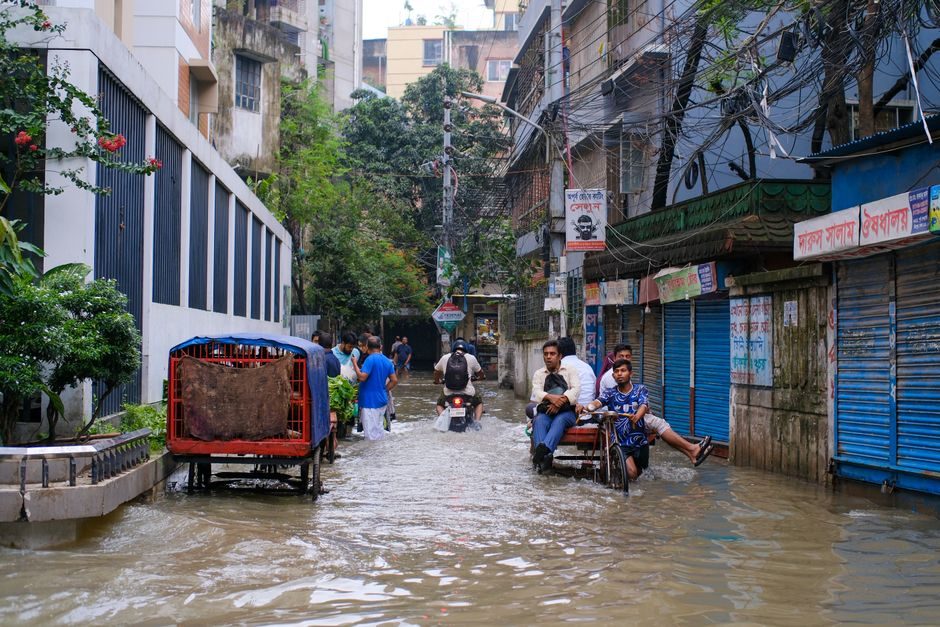
Never encourage staff or customers to cross standing water to reach a business. Floodwater can conceal open drains, debris and uneven surfaces, while electrical equipment near water presents an additional hazard. If access looks unsafe, close the affected entrance and communicate an alternative only when it has been checked by someone on site.
Do not ask employees to keep working in a space with water near sockets, appliances or electrical panels. Stop using affected equipment and contact a qualified electrician or the relevant building manager before restarting it. A quick visual check is not proof that wiring is safe, especially after water has entered a storeroom or ground-floor unit.
Keep safety directions short enough for people to follow under pressure. Tell staff who can make a closure decision, where to gather if they must leave, and how to report a hazard without returning to an unsafe area. Avoid sharing unverified claims about nearby roads or public transport; direct people to current official updates instead.
Plan updates for local audiences
Reach Customers Beyond the Counter
Tell customers what a disruption means for their specific visit, not merely that Mumbai is experiencing heavy rain. A useful notice might clarify whether collection is paused, delivery is delayed or a service is available by appointment. Businesses that share practical rain-disruption guidance may use guest posting services uk to reach readers beyond their usual customer base.
Choose channels your customers already check, and make sure the same operating details appear across them. A small retailer may rely on a current social profile and a notice at the entrance, while a service business may also contact booked customers directly. Keep the wording consistent so people do not have to guess which version is accurate.
Account for customers travelling from different parts of the city, since disruption on a route can affect a visit even when the business itself is open. Avoid claiming that a particular train, bus or road is running normally unless that information has been verified. Point readers to official transport updates, then state what the business can confirm about access.
- Name the service affected.
- Say whether bookings or collections continue.
- Keep opening information consistent.
- Refer commuters to official travel updates.
Adapt for Neighbourhood Needs
Tailor updates to the people who use your business and the way they reach it. A shop serving nearby residents may need to explain whether its entrance is accessible, while a clinic or repair service should contact customers with scheduled visits. Include a clear way to ask questions, but do not promise replies faster than staff can provide.
Use familiar local reference points only when they make directions clearer and remain accurate during the disruption. For example, identify the usual entrance or describe a verified change to collection arrangements; do not direct people through a lane or underpass simply because it is normally convenient. Remove temporary directions as soon as conditions or access change.
Businesses with more than one outlet should issue separate updates when local conditions differ. A general citywide notice can make a branch appear open when its own staff cannot reach it or its building has been affected. Ask a responsible person at each location to confirm status and report changes through one agreed internal channel.
Build a simple seasonal readiness checklist
Prepare Tasks Before the Rain
Write a short checklist that names who handles each task before heavy rain, during disruption and before reopening. Include a backup contact for essential decisions, since the person responsible may be unable to reach the premises. For operators with timely travel or opening updates, the option to buy guest posts online may help place that information with relevant readers.
Keep the checklist where staff can reach it without entering a flooded or unsafe area, and store a digital copy that authorised people can access remotely. Include the location of shut-off points only if staff are trained and it is safe for them to use them. A checklist should guide decisions, not pressure anyone to take risks.
Review supplies and records before the wet season becomes busy. Check that protective covers, torches, basic first-aid supplies and contact details are usable, and decide how invoices or bookings will be accessed if power or internet service fails. Keep essential items above floor level where possible, especially in a ground-floor shop or storeroom.
- Assign a decision-maker and backup.
- Check covers, lights and first-aid supplies.
- Store key records where water cannot reach.
- Identify safe ways to contact staff.
Make the Checklist Usable
Use plain action words and keep tasks in the order staff will perform them. “Check rear storeroom” is less useful than “inspect the storeroom from the doorway; do not enter if water is near electrical equipment.” Clear limits prevent a routine check from becoming an unsafe instruction when conditions deteriorate.
Separate decisions that staff can make themselves from those requiring an owner, building manager or qualified professional. An employee might be authorised to move dry goods from a low shelf, but not to isolate electrical equipment or declare wiring safe. Write the escalation route beside each task so nobody has to search for instructions during a disruption.
Test the list with the people expected to use it, including part-time staff who may not know where supplies or records are kept. Ask them to explain what they would do if the usual manager could not be reached. Update unclear steps immediately, and replace contacts or instructions that no longer match how the business operates.
Review your plan after heavy rain
Record What Actually Happened
After conditions improve, record what disrupted the business while details are still fresh. Note when access became difficult, which stock or equipment was affected, how staff were contacted and which customer messages caused confusion. A business with a verified public-safety or service update may consider press release distribution uk to reach news outlets.
- Record the disruption and its effects.
- Ask staff where the plan fell short.
- Choose specific changes and assign owners.
- Update the checklist and share the revision.
Separate direct observations from assumptions in the record. Staff can document water entering a storeroom or a delivery failing to arrive, but should not guess why a drain backed up or whether equipment is safe. Photos can help explain damage or access problems, provided they are taken without putting anyone at risk or exposing private customer information.
Review the timeline with the people who handled the disruption, including staff who received customer questions. Ask where instructions were missing, whether decision-making was clear and what took too long. Keep the discussion focused on improving the plan rather than assigning blame; honest feedback is more useful when employees can report problems without fear.
- Write down operational impacts.
- Separate confirmed facts from assumptions.
- Collect staff feedback.
- Record changes needed before the next alert.
Turn Lessons Into Changes
Make a practical change for each recurring problem rather than adding broad promises to the plan. If customers could not tell whether collection was available, prepare a standard status message. If stock was damaged because it sat on the floor, identify a safer storage arrangement and make sure staff can carry it out before rain reaches the premises.
Check whether building-related problems need to be raised with a landlord, property manager or maintenance professional. Share clear evidence and describe the operational effect, such as a blocked entrance or water entering a storage area. Do not assume that a repair has been completed because it was reported; confirm the outcome before relying on it in the next period of heavy rain.
Set a reminder to revisit the revised plan before the next spell of heavy rain and after any major change to staffing, premises or services. Give relevant employees the latest version and remove obsolete copies from shared folders or noticeboards. A plan works only when people know where it is and trust that its directions are current.
Frequently asked questions
Should a Mumbai business close whenever heavy rain is forecast?Not automatically. Make the decision using conditions at the premises, safe access for staff and customers, and any official advisories that apply. A business may remain open while changing hours or pausing a particular service, but it should not ask people to travel through unsafe conditions. Decide in advance who has authority to close and how customers will be told.
How should a small shop handle staff who cannot travel in?Check on staff through an agreed contact channel and ask them not to take unsafe routes to meet a shift. Identify essential tasks that can be postponed, handled remotely or covered by another trained employee. Keep a record of who is available, and update customers if reduced staffing affects opening hours, service capacity or appointments.
What should a business do before switching equipment back on?If water reached electrical equipment, sockets or wiring, keep the affected area out of use and seek assessment from a qualified electrician or the responsible building manager. Do not treat dry surfaces or a successful visual check as proof that equipment is safe. Reopen the affected area only after the appropriate professional has confirmed it can be used.
How can a business avoid losing customer bookings during a closure?Keep a reliable record of upcoming bookings and contact affected customers through the channel they supplied, explaining whether the appointment is cancelled, delayed or being rescheduled. Avoid confirming a new time until staffing and access are clear. Once operations resume, review outstanding requests in order and make sure the same booking is not handled twice.
Make Monsoon Readiness Part of Routine Operations
A dependable monsoon plan connects safe decisions with clear customer information: staff know when to stop work, managers know how to check local conditions, and customers can confirm whether a visit is worthwhile. A concise checklist, consistent updates and a record of what went wrong after each spell of heavy rain help a small business respond without improvising every step under pressure.
Start with one practical action before the next heavy-rain alert: name the person who can pause operations and the backup who can take over. Then check that both can access the latest contact list and customer-update channels. Once that foundation is in place, review stock storage, staff instructions and reopening checks with the people who will use them.
Add Mumbai News as a preferred source on Google


